Last updated November 21, 2026
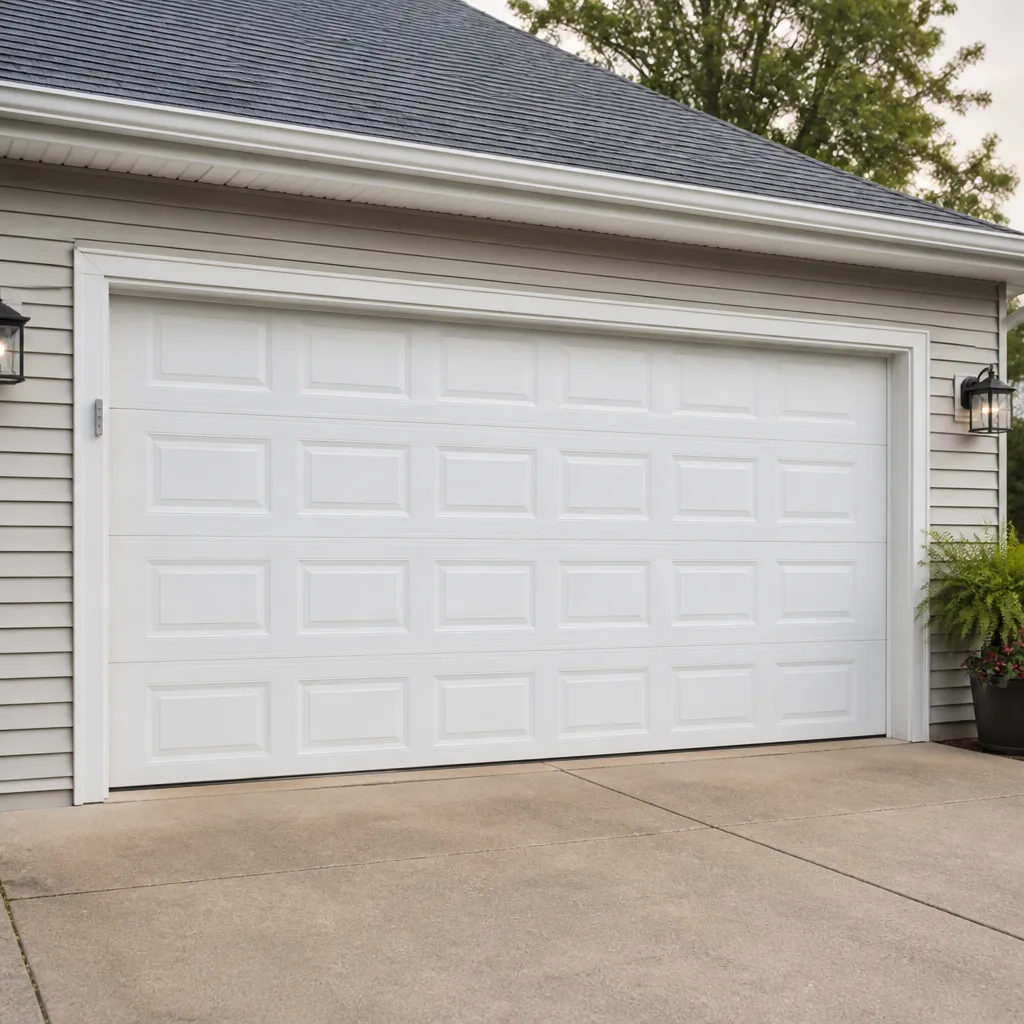 Raised-panel steel
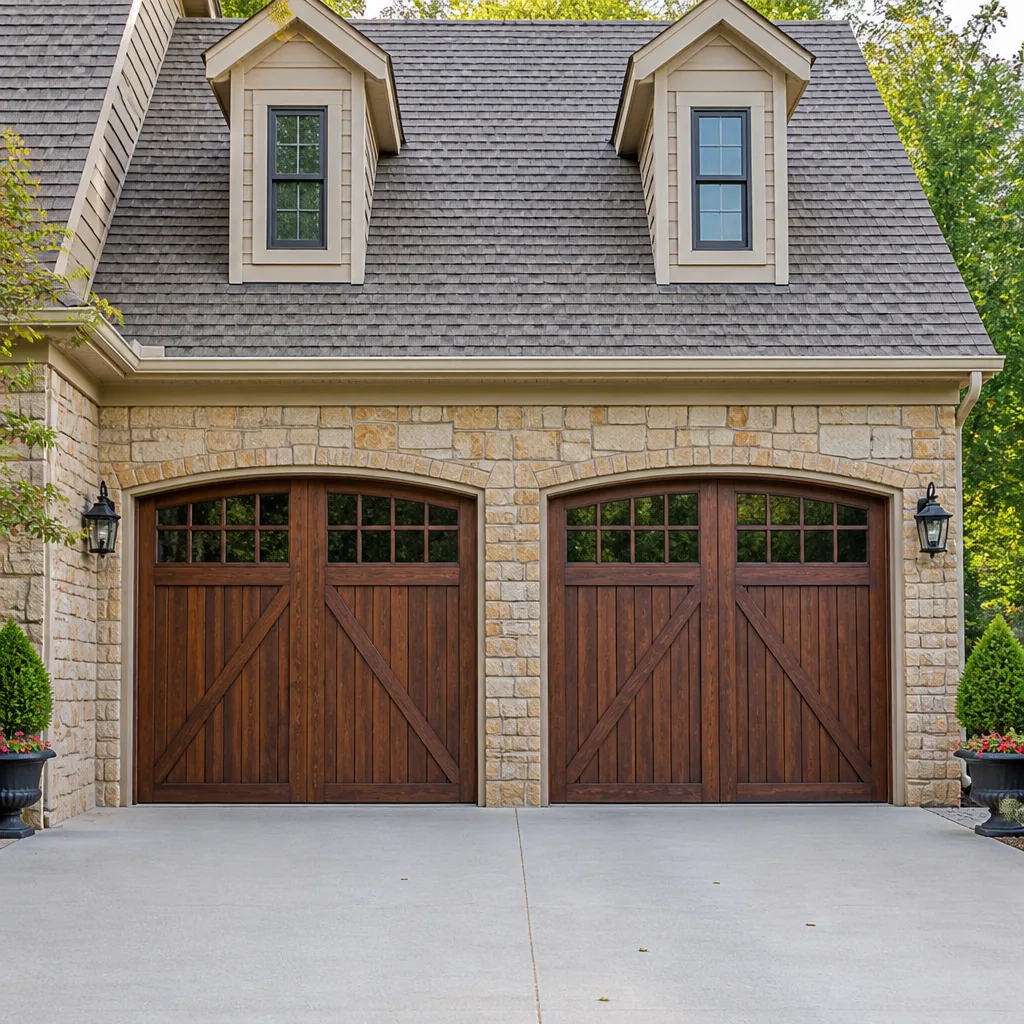 Carriage house
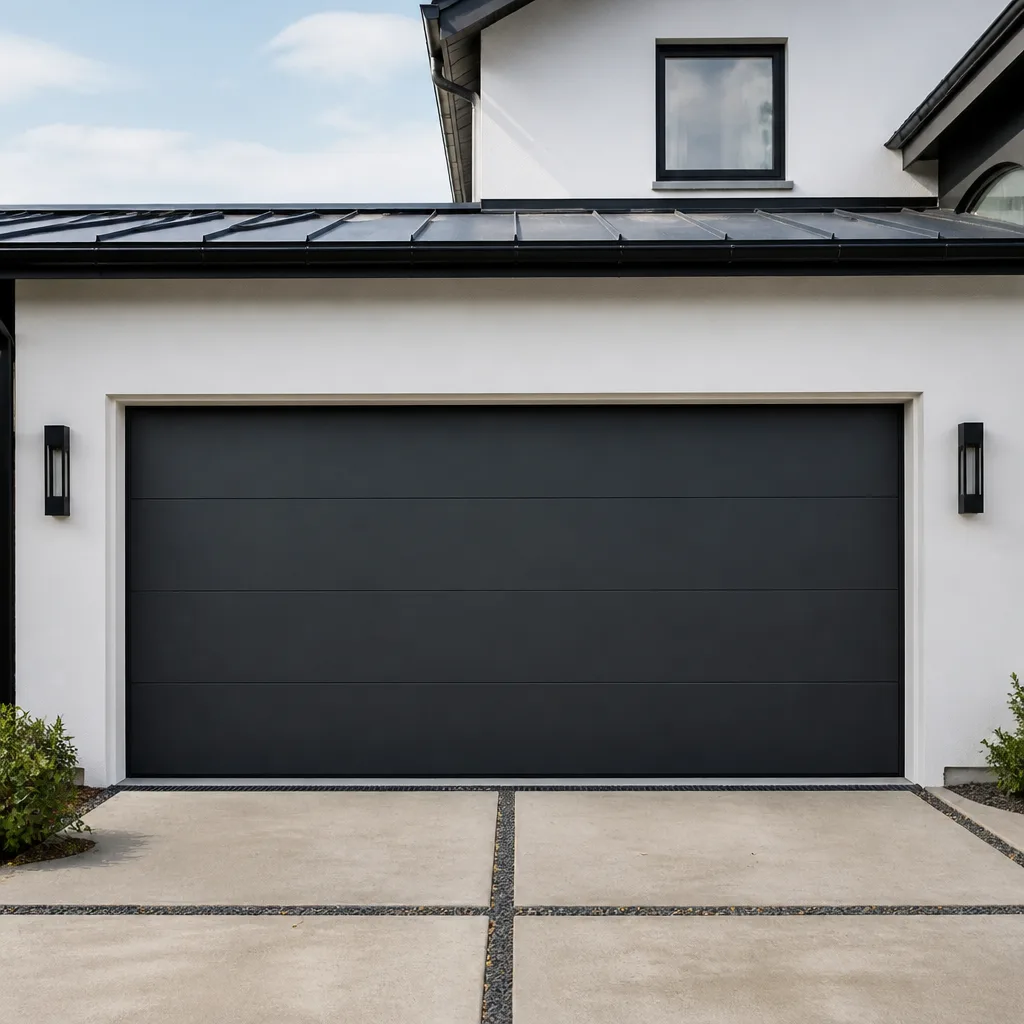 Modern flush
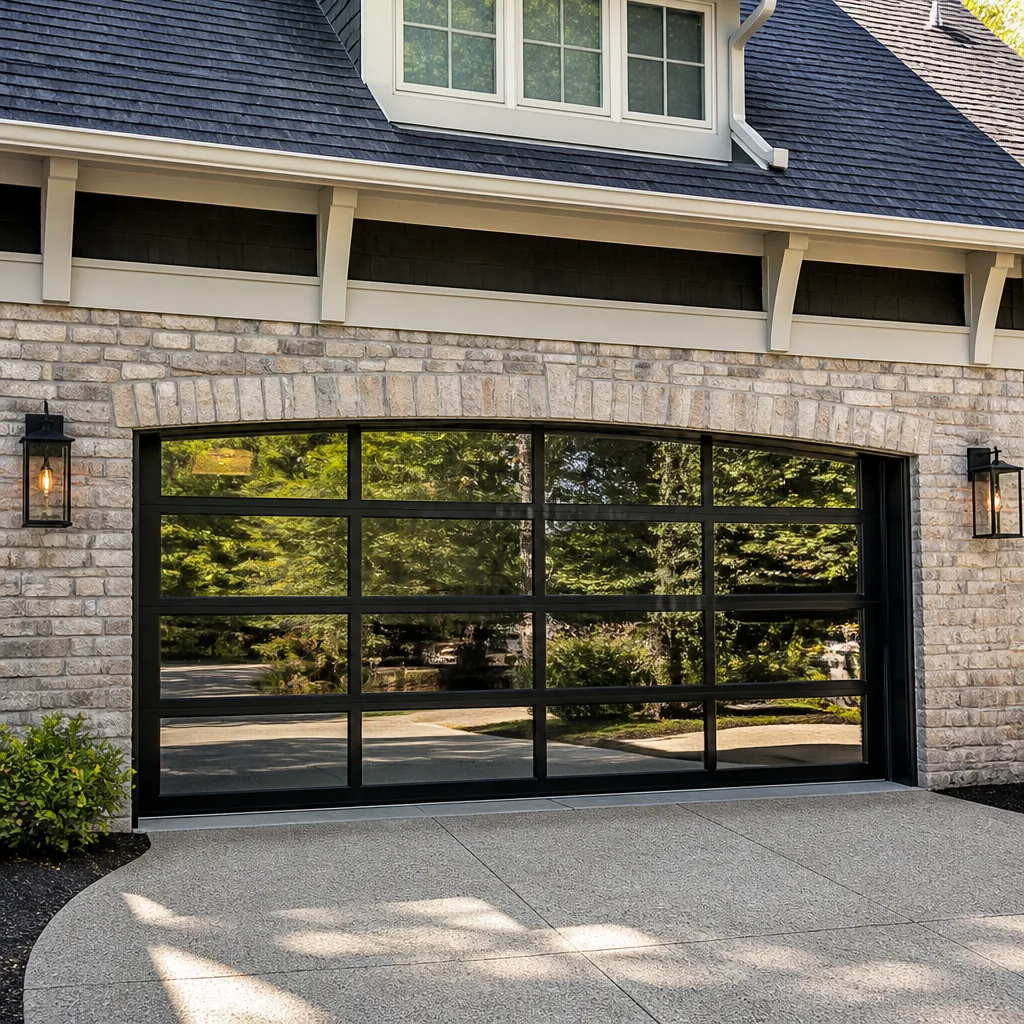 Full-view glass
 LiftMaster openers
 Chamberlain openers
Full 25-point door and opener safety check with every visit - springs, cables, rollers, tracks, and your LiftMaster or Chamberlain opener included
You get a price before we start. It does not change when the pro arrives.
Get your free estimateThe Complete Guide to Garage Doors in Springfield
Most garage door advice you’ll read online was written for a climate that doesn’t exist here. It talks about heat and humidity and forgets the thing that actually breaks doors in Springfield: water getting into a tiny crack, freezing, expanding, and shoving your concrete, your tracks, and your bottom seal out of alignment a little more each winter. Springfield gets around 46 inches of snow a year, and the city sits in a freeze-thaw corridor that swings temperatures hard from October through April. That cycle is the quiet culprit behind a lot of the calls we get. This guide walks through what that means for your door, your springs, your opener, and the style choices that actually fit Springfield’s housing stock.
Quick Answer
A garage door in Springfield needs inspection twice a year because freeze-thaw cycles work the seals, springs, and track anchors harder than in milder climates, and torsion springs are the part most likely to fail without warning. Door style should match your home’s architecture – a raised-panel steel door suits a colonial or cape cod, while a triple-decker calls for something simpler and lower-maintenance. For anything involving springs, cables, or the torsion system, call a specialist rather than a general handyman. Our technicians have up to 12 years of experience, and we cover the door and the opener in one visit.
Styles & brands we work with
- Raised-panel steel
- Carriage house
- Modern flush
- Full-view glass
- LiftMaster openers
- Chamberlain openers
Table of Contents
- How Springfield’s Freeze-Thaw Cycles Stress Your Garage Door
- The Parts of a Garage Door and What Fails First
- Door Styles and Materials That Fit Springfield Homes
- Handyman vs. Garage Door Specialist: Why It Matters
- Brand Coverage and Service in the Springfield Area
- Permits and Inspections Springfield Homeowners Miss
- Openers, Smart Controls, and Winter Performance
- A Seasonal Maintenance Routine for Springfield
How Springfield’s Freeze-Thaw Cycles Stress Your Garage Door
Freeze-thaw is the process where water seeps into a small gap, freezes, expands, and then melts again, leaving the gap slightly wider each time. In Springfield that happens repeatedly between October and April, and your garage door sits right at ground level where it takes the brunt. The slab edge, the bottom seal, and the anchor plates holding your vertical tracks are all exposed to meltwater running off the driveway and refreezing overnight. Over a few seasons, a door that used to close flush starts to rub, scrape, or hang up on one side.
The three components that suffer most in a Springfield winter:
- Bottom seals. A rubber seal hardens in cold, cracks at the fold, and stops sealing. Once it stops sealing, meltwater and cold air get under the door, and the seal keeps deteriorating faster.
- Springs. Steel gets brittle in sustained cold. A torsion spring that’s already near the end of its cycle count is far more likely to snap on the first hard freeze than in July.
- Track anchors. The lag bolts holding your vertical tracks into the framing can work loose as the wood and concrete around them move with the frost. A track that’s out a quarter inch at the bottom throws the whole door off balance.
What you can check yourself is simple: look at the bottom seal for cracks, listen for scraping when the door travels, and watch whether the door sits level when closed. What you shouldn’t touch is the spring system. Torsion springs are under extreme tension, and adjusting or removing one without the right winding bars and training is genuinely dangerous. That’s a job for a trained technician.
The Parts of a Garage Door and What Fails First
A garage door is a system, not a single object. Understanding the parts helps you describe a problem accurately and understand what a repair actually involves. Here’s the breakdown of what’s on your door and which pieces tend to go first.
- Springs. Either torsion (a horizontal shaft above the door) or extension (springs running along the horizontal tracks). These counterbalance the door’s weight. They carry the most load and fail most often.
- Cables. Steel cables run from the bottom corners up to the springs. If a cable snaps, the door can drop on one side. Never operate a door with a visibly frayed cable.
- Rollers and hinges. These guide the door through its curve. Worn nylon rollers get noisy and cause the door to shudder. Hinges loosen over time and are a common source of rattle.
- Tracks. The vertical and horizontal rails the door rides in. Dents, bends, and loose anchors all cause binding.
- Panels. The door sections themselves. Dents from a bumped car or a stray ball are cosmetic until they crack the panel skin or interfere with the hinges.
- Bottom seal. The rubber strip along the bottom edge. Cheap to replace and important for weather and pest sealing.
- Opener and drive system. The motor, rail, belt or chain, and the safety sensors near the floor. Separate system, same door.
In our experience across Springfield, spring failure and opener problems account for the majority of calls. Panel damage and track alignment come next. Rollers and seals are the small stuff that’s easy to defer and worth replacing before they cause bigger wear. If your door is binding or you hear a loud bang from the torsion shaft, that’s a garage door spring repair situation and needs prompt attention.
Door Styles and Materials That Fit Springfield Homes
Springfield’s housing stock leans heavily on triple-deckers, colonials, and cape cods, and the door that looks right on one looks wrong on another. A raised-panel steel door in a carriage-house style reads as at home on a colonial. On a triple-decker, a simpler flush or short-panel design keeps the facade from looking cluttered. Matching your door to the architecture matters for resale as much as for daily enjoyment.
Material options and where they work best:
- Steel. The most common choice in Springfield. Insulated steel doors handle the cold well and hold up to snow and road grit. Available in raised-panel and carriage-house styles.
- Aluminum. Lighter and rust-resistant, good for full-view doors with glass panels. Less insulating than steel, so think about it for an attached garage you heat.
- Wood. Beautiful on a period colonial, but wood needs refinishing to survive Springfield winters. If you love the look, budget for upkeep.
- Composite and wood-look steel. Gives you the wood appearance without the repainting. A practical middle ground for cape cods and colonials.
Insulation is its own decision. An attached garage acts as a buffer zone for the house, and an insulated door keeps that buffer warmer. A detached garage in Springfield stays cold no matter what, so insulation matters less there. For style reasons alone, a raised-panel door with a row of windows looks right on most Springfield colonials, while a flush modern door suits a renovated triple-decker. We work with Clopay, Amarr, and Wayne Dalton doors, among others, so most styles are available in the brands you already see on your street.
Handyman vs. Garage Door Specialist: Why It Matters
A handyman can hang a shelf and fix a fence. A garage door is a different animal: a large, heavily loaded mechanical system with stored energy in the springs that can injure someone badly if handled without the right tools and training. The difference between a generalist and a garage-door-only specialist isn’t marketing. It’s liability and warranty.
Here’s what changes when you hire a specialist:
- Correct spring sizing. Springs are matched to the door’s weight and cycle life. A generalist who grabs whatever’s on the shelf can leave you with a door that’s unbalanced or a spring that fails early.
- Warranty coverage. Manufacturer warranties on doors and openers typically assume professional installation and service. Improper work can void coverage, leaving you to pay for a second repair.
- Liability. Spring work is the most dangerous part of the trade. A specialist carries the training and the right equipment; a handyman working without it is a risk you don’t want on your property.
- One call covers the door and the opener. A specialist diagnoses both systems together, so you don’t end up with two contractors and two invoices.
We’re a garage-door-only company. Every technician focuses on garage door systems, not on a mix of trades. That single-trade focus is why we can troubleshoot an opener and a torsion spring in the same visit and tell you honestly which one is actually causing your problem. For routine repairs that don’t touch the springs, a good handyman is fine. For anything involving the counterbalance system, the cables, or the tracks, it’s worth the specialist.
Brand Coverage and Service in the Springfield Area
Springfield homeowners shouldn’t have to hunt for someone who happens to know their brand. We’re equipped to service LiftMaster, Chamberlain, Genie, Clopay, Amarr, Wayne Dalton, Craftsman, and Raynor products, which covers the large majority of doors and openers on Springfield homes. If your opener came with the house and you’ve never looked at the label, that’s fine – we can identify it on site.
Brand coverage matters for a few practical reasons:
- Parts availability. Knowing your brand means knowing which springs, rollers, and opener components fit without guesswork.
- Remote and keypad programming. LiftMaster and Chamberlain openers, for example, have their own pairing procedures. A technician who works on these daily gets it done without trial and error.
- Smart-control compatibility. myQ and similar systems only work with certain openers. If you want phone control, the brand matters.
- Warranty respect. Service that follows the manufacturer’s procedures keeps your coverage intact.
We work on your brand, which is the whole point. If your door is a Wayne Dalton and your opener is a Craftsman, that’s a normal day for us. If you’re not sure what you have, take a photo of the opener label and the door’s bottom section before calling. It saves time on the first visit.
Permits and Inspections Springfield Homeowners Miss
Most garage door work in Springfield – repairs, spring replacement, opener swaps – doesn’t require a permit, so this section is mostly about the exceptions. The one situation that catches people off guard is a door replacement that changes the opening size or structural elements. If you’re widening the opening, replacing the header, or altering the framing around the door, the work typically crosses into structural territory and generally triggers a building permit and an inspection.
The other easy-to-miss case is an electrical change. Adding a new circuit for an opener, or running a dedicated outlet where none existed, is electrical work. Some cities require a permit for that, and the inspection is about the wiring, not the door. And if you’re in an older Springfield home and replacing a door that’s part of a fire separation between the garage and living space, that door may need to be a rated assembly – worth confirming with the building department before you order.
The practical rule: ask the city’s building department before any job that changes the opening, adds electrical, or touches framing. A straightforward replacement in the same opening usually doesn’t need a permit, but “usually” isn’t the same as “never.” A written quote should spell out what’s included so there are no surprises about who’s handling any permitting. We’re happy to point you to the right questions for your city.
Openers, Smart Controls, and Winter Performance
Your opener lives in the coldest room in the house, and it feels the winter. Cold thickens the grease on the rail, stiffens the door’s rollers, and asks more of the motor on every cycle. An opener that’s borderline in July can struggle to lift the door on a January morning in Springfield. That’s not always a failing opener – sometimes the door itself is the drag.
What to know before you replace an opener:
- Check the door first. If the door is heavy or binding, a new opener just burns out faster. Fix the door, then decide on the opener.
- Match the drive to the door. Belt drives are quiet and suit attached garages under bedrooms. Chain drives are sturdier for heavier doors. Screw drives are a middle option. We work on all three.
- Confirm the safety reverse. Every opener has a safety reverse that should stop and reverse the door if it meets an obstruction. Test it monthly by placing a board under the door.
- Check sensor alignment. The photo-eye sensors near the floor are the most common cause of a door that won’t close. They need a clear line of sight and shouldn’t be knocked out of alignment by a snow shovel.
- Look at smart features. myQ and app control add convenience, but they depend on a compatible opener. If that’s your goal, mention it before we recommend a unit.
For opener problems, a garage door opener repair visit can often save the unit. Openers fail in predictable ways – stripped gears, a dead logic board, a worn belt – and a specialist can usually tell you which before recommending replacement. When repair is the answer, same-day service is often possible; when replacement is the answer, a free measure and a written price keeps the decision in your hands.
A Seasonal Maintenance Routine for Springfield
Fifteen minutes twice a year goes a long way in this climate. A simple routine done in fall and spring will catch most of the wear that leads to bigger repairs. Here’s what to do and what to leave to a technician.
What you can do yourself:
- Lubricate hinges and rollers with a garage-door-specific lubricant (not WD-40, which attracts dirt).
- Wipe the bottom seal clean and check for cracks; replace if it’s brittle or torn.
- Test the safety reverse monthly with a board under the door.
- Look at the cables: if they’re frayed or kinked, stop using the door and call.
- Clear snow and ice away from the bottom seal and the track base so meltwater drains away instead of refreezing in the gap.
- Check that the door sits level and travel is smooth. If it shudders or binds, don’t adjust the springs – call.
What a technician should handle:
- Spring tension adjustment and balancing.
- Cable replacement.
- Track alignment and anchor re-torquing.
- Opener force and travel-limit settings.
In our experience, a fall tune-up before the first hard freeze prevents most of the mid-winter emergency calls we see in Springfield. Temperatures between October and April are hard on the components that matter most. A little prevention in September beats a broken door in January.
Common Mistakes to Avoid
- Ignoring a tired spring until it breaks. A door that’s getting harder to lift by hand is telegraphing a worn spring. Waiting means a snapped spring and a door stuck shut, possibly with a car inside.
- Letting a handyman wind a torsion spring. The stored energy in a torsion spring can seriously injure someone without the right training and tools. This is the one job where the specialist premium is worth every dollar.
- Skipping the bottom seal because it’s “just rubber.” A failed seal lets cold air, meltwater, and pests into the garage and lets heat escape. It’s cheap to replace and protects everything else.
- Replacing the opener when the door is the problem. If the door binds or is out of balance, a new opener inherits the same load and fails early. Diagnose the door first.
- Pressure-washing the door without checking the seal and paint condition. Water forced into a compromised seal or a chipped panel skin starts the freeze-thaw cycle inside the door material.
- Not mentioning your brand or model when you call. Knowing your door is a Wayne Dalton or your opener is a LiftMaster helps the technician bring the right parts the first time.
- Assuming a permit isn’t needed for an altered opening. Widening the opening or changing the framing usually needs a building permit and inspection in Springfield. Confirm with the city’s building department before ordering a non-standard-size door.
See the difference
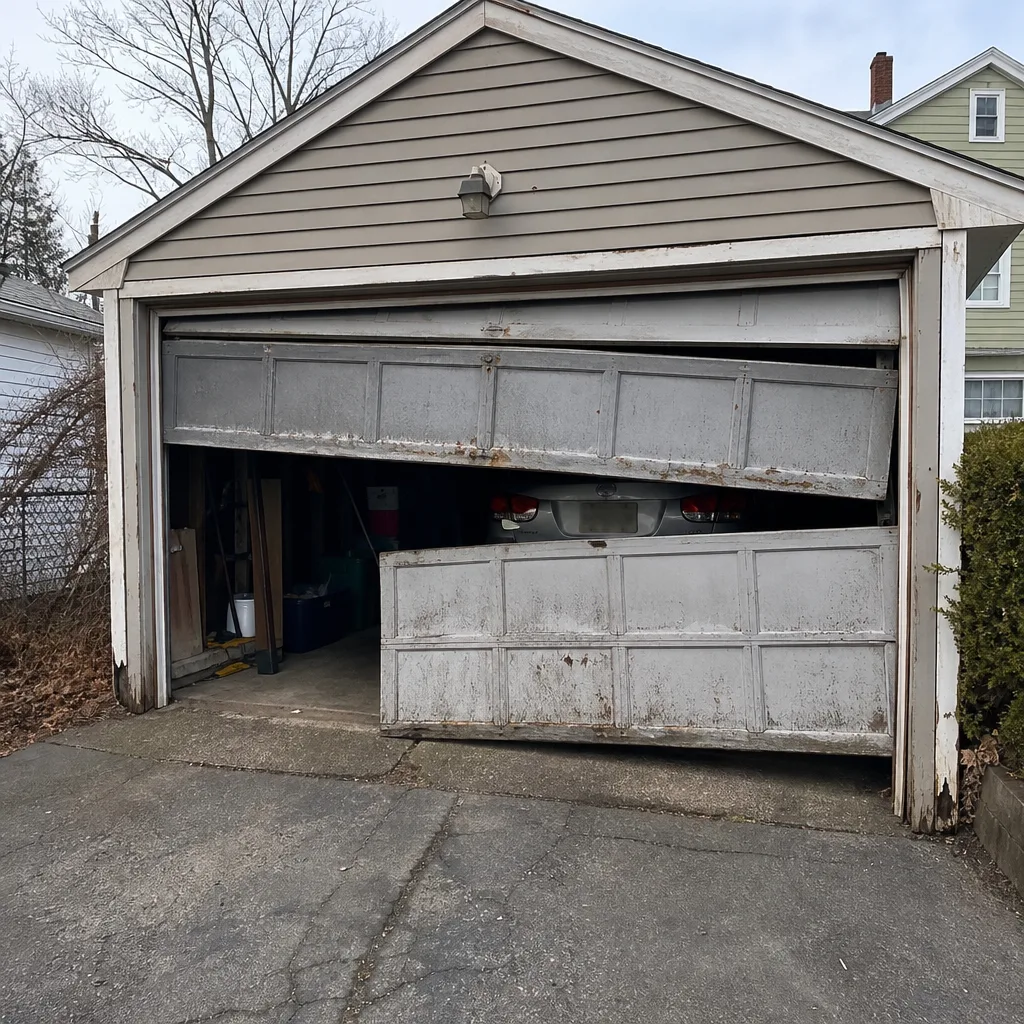 Before
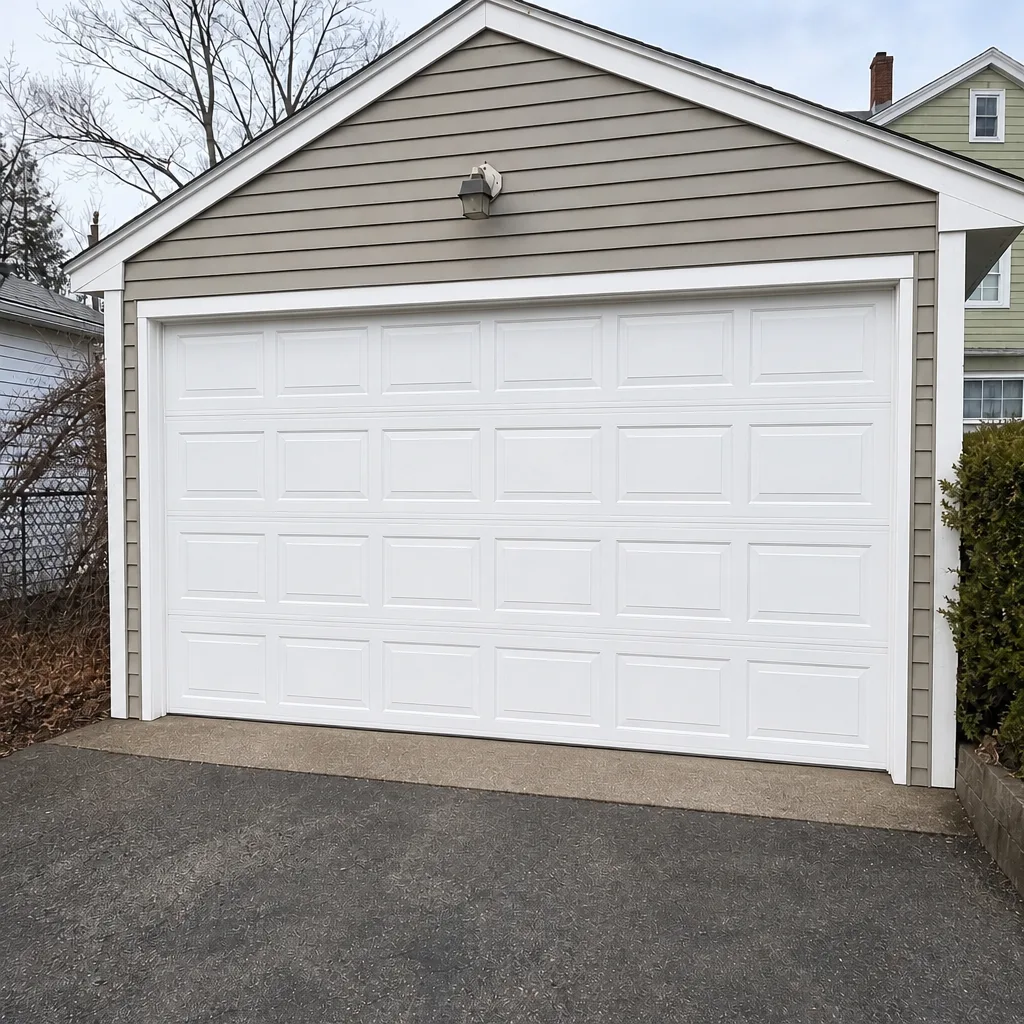 After
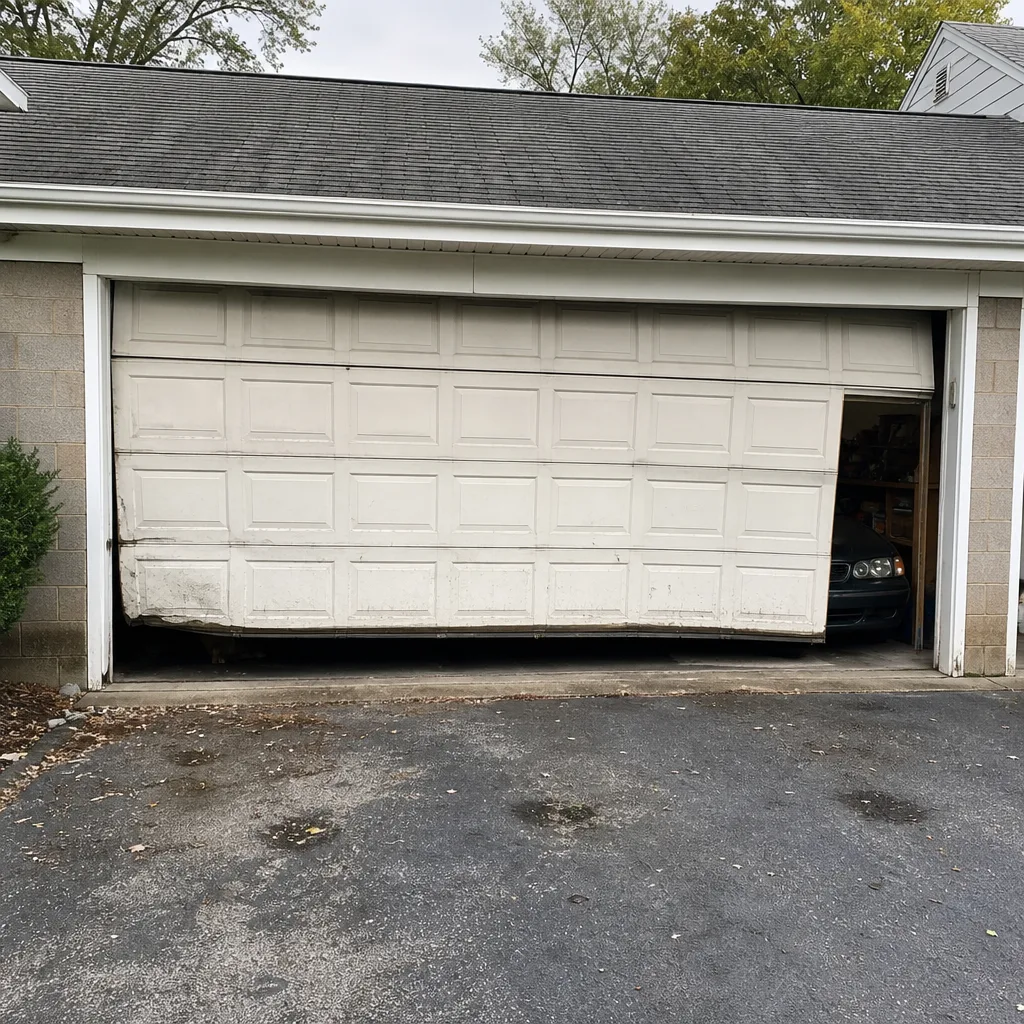 Before
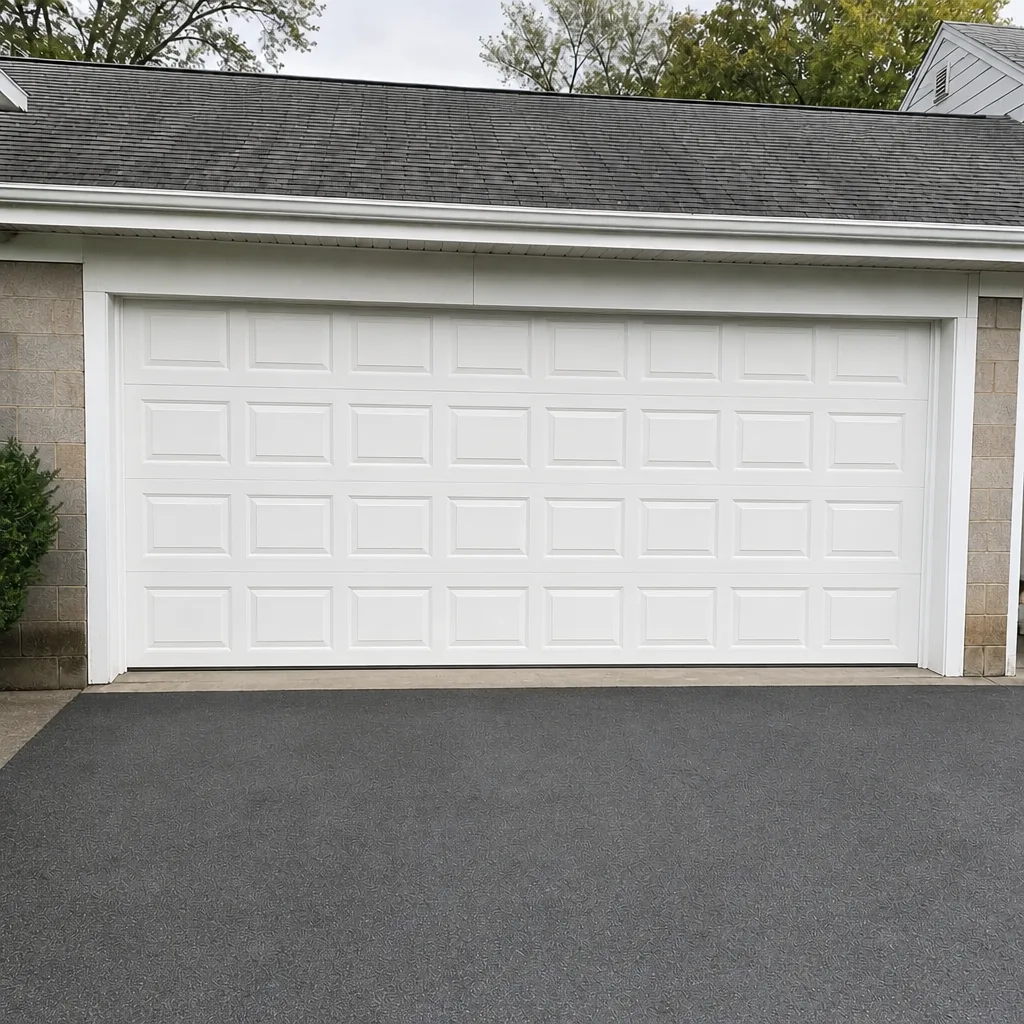 After
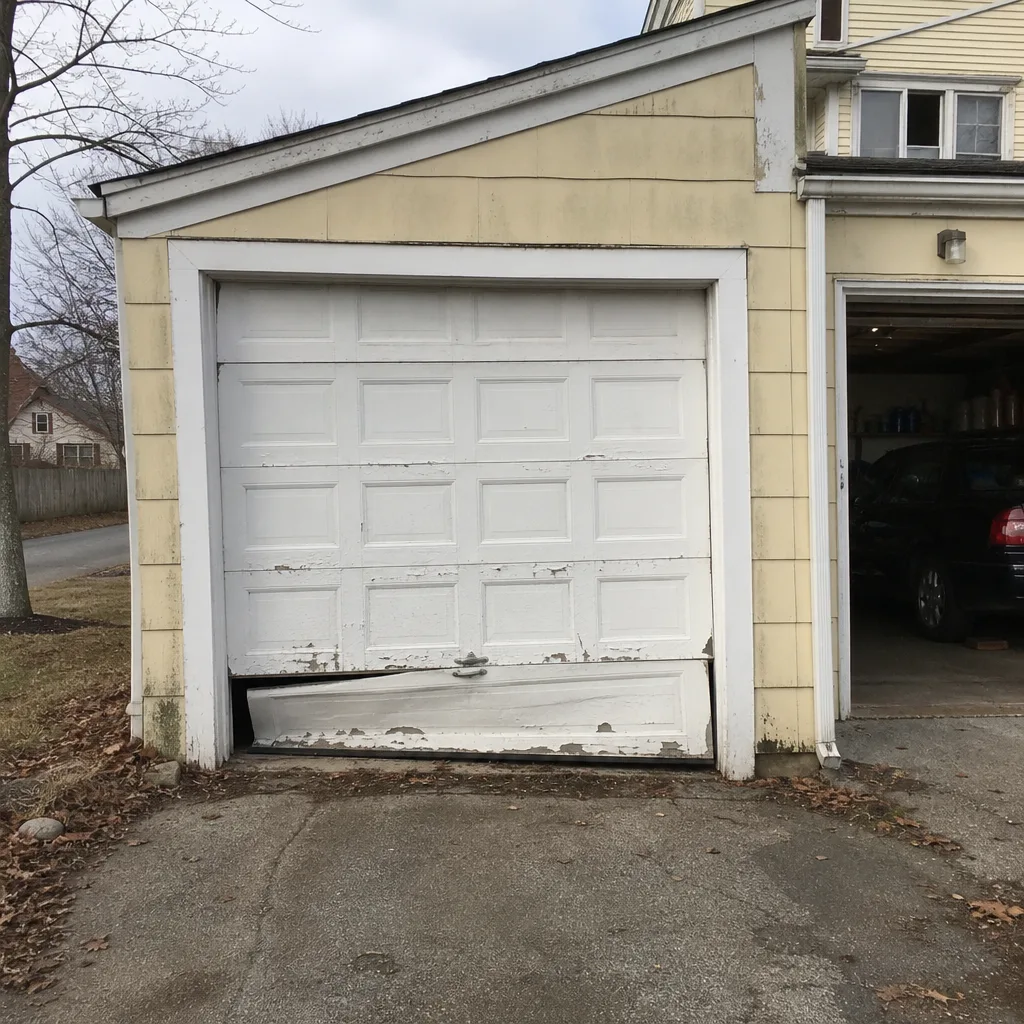 Before
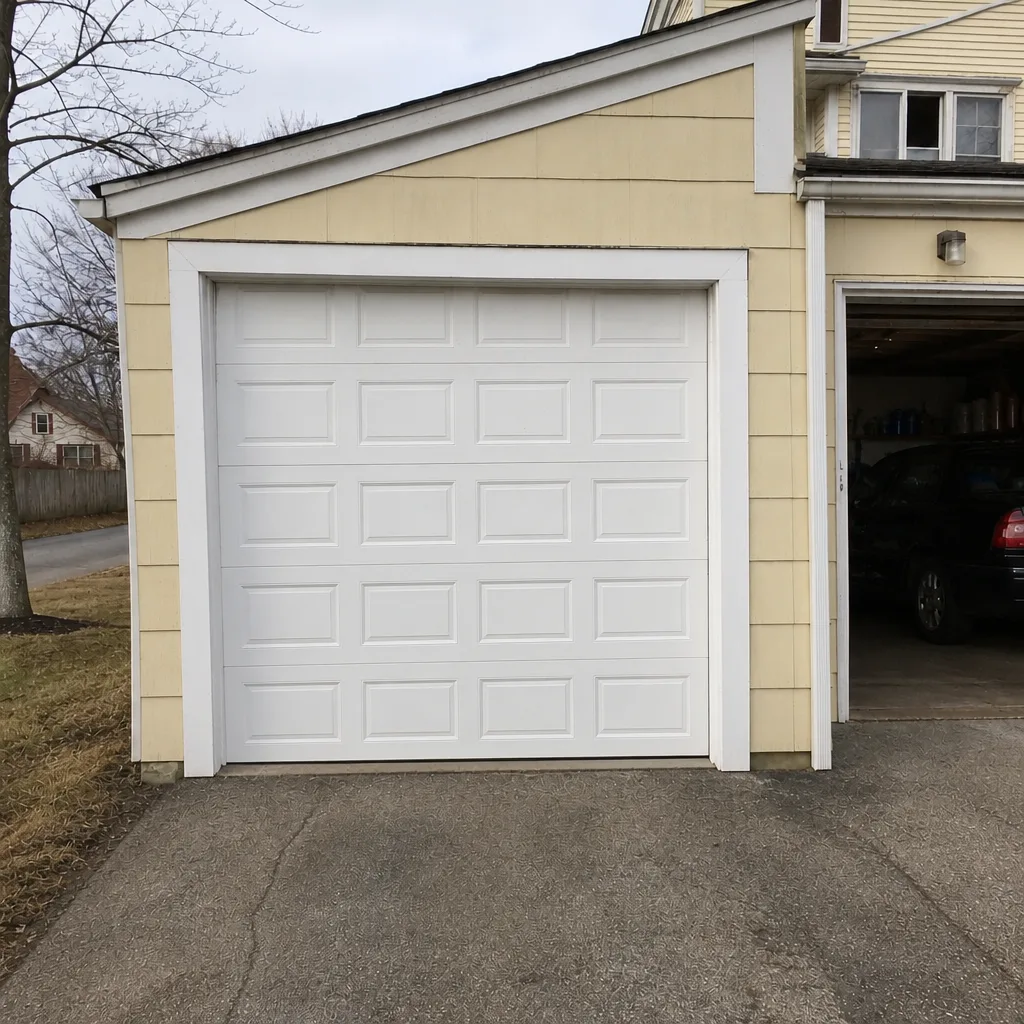 After
When to Call a Professional
Call a professional when you hear a loud snap from the springs, see a frayed cable, notice the door hanging crooked, or find it won’t open or close at all. Call when the opener runs but the door doesn’t move, when the door reverses for no reason, or when the safety reverse fails its monthly test. Call when a car has bumped the door and the panel is cracked, or when the tracks are visibly bent. And call when you’re planning a replacement and want a free measure before ordering. Garage door repair is the core of what we do, and Garage Door Repair Springfield Pros offers free estimates in Springfield – call (866) 412-1607. Emergency service is available for doors that leave the garage unsecured overnight.
Frequently Asked Questions
Torsion spring repair in Springfield typically runs $180 to $340 for a single spring, and a matched pair is usually replaced together at roughly double that. Cables and labor are quoted separately, and the written estimate sets the final price before any work starts. Call (866) 412-1607 for an exact quote – estimates are free.
Often yes. A stuck-open door is a security problem, which is why emergency service is a real part of what we do, not a fine-print promise. Call (866) 412-1607 and we’ll tell you the soonest available time and give you an upfront price before anyone heads out.
No. We quote the price and agree it with you before any work starts, so the number you approve is the number you pay. If the job turns out to be more involved than expected, we’ll explain why and get your approval on any change before proceeding. Call (866) 412-1607 for a free estimate.
A like-for-like replacement in the same opening usually doesn’t require a permit. Changing the opening size, altering the framing, or adding an electrical circuit for a new opener generally does trigger a permit and inspection. Confirm with the city’s building department before ordering a non-standard door. Call (866) 412-1607 if you want help understanding what a job involves.
Raised-panel steel doors in a carriage-house style suit Springfield colonials and cape cods, while a flush or short-panel design keeps a triple-decker facade clean. Insulated steel is the common choice here because it handles the cold. We work with Clopay, Amarr, and Wayne Dalton among other brands, so there are options for nearly every architecture. Call (866) 412-1607 for a free measure.
The local professionals we connect you with are licensed and insured as their state requires, and they carry the training to work on springs, cables, and openers safely. Our technicians have up to 12 years of experience. Call (866) 412-1607 for a free estimate.
The Bottom Line
Springfield’s freeze-thaw cycles put real stress on the parts of a garage door that matter most – springs, seals, and track anchors – and that stress shows up every winter. Match your door to your home’s architecture, keep up with a simple fall and spring routine, and leave the springs and cables to a specialist. We work on your brand, cover the door and the opener in one visit, and quote every job upfront. For a free estimate, see Garage Door Repair Springfield Pros or call (866) 412-1607 today.
Written by the team at Garage Door Repair Springfield Pros.