Last updated November 21, 2026
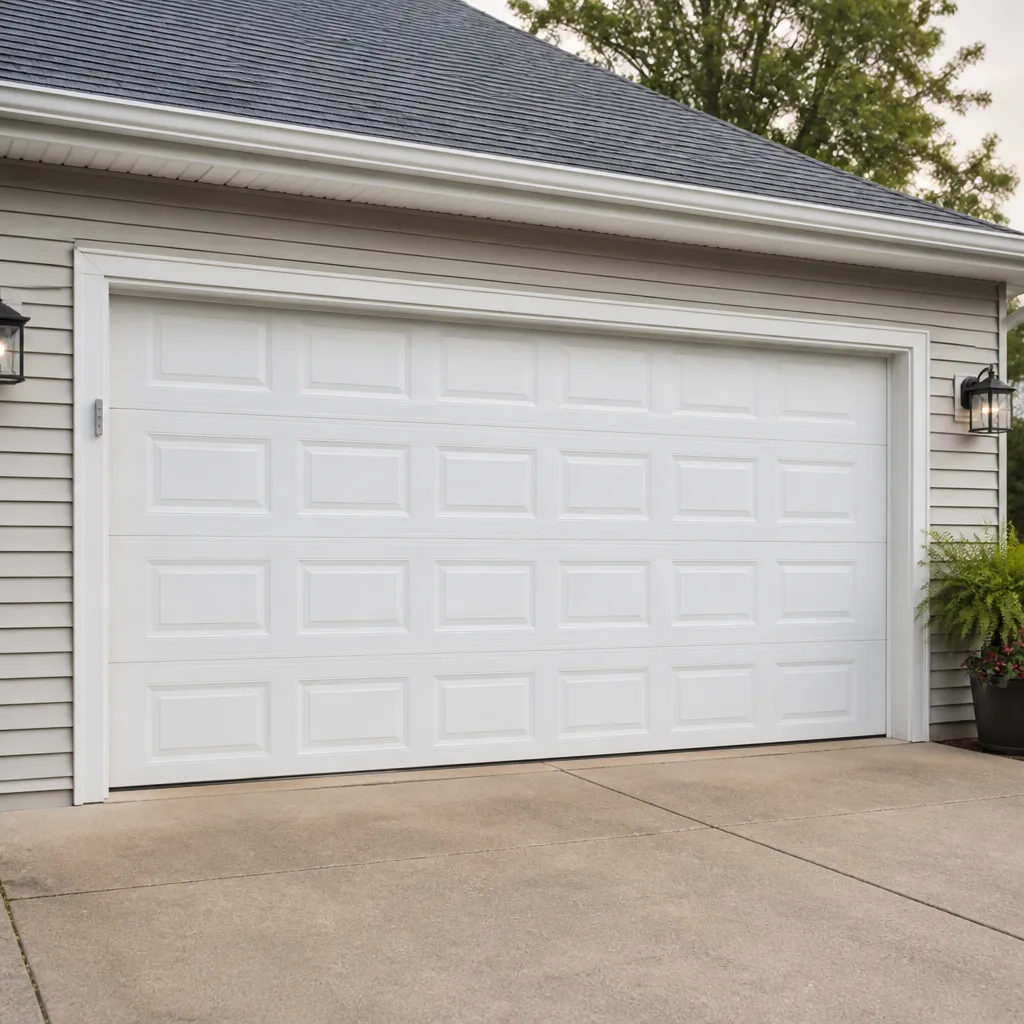 Raised-panel steel
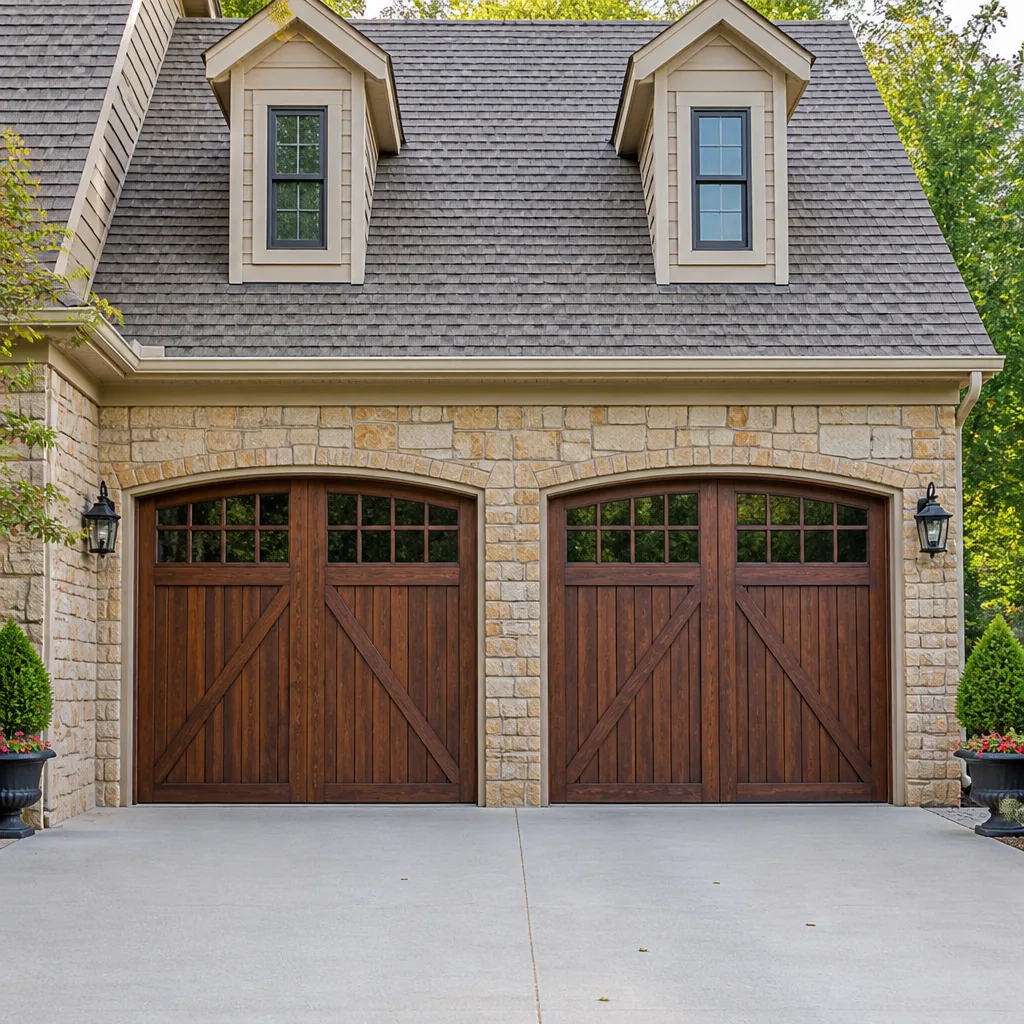 Carriage house
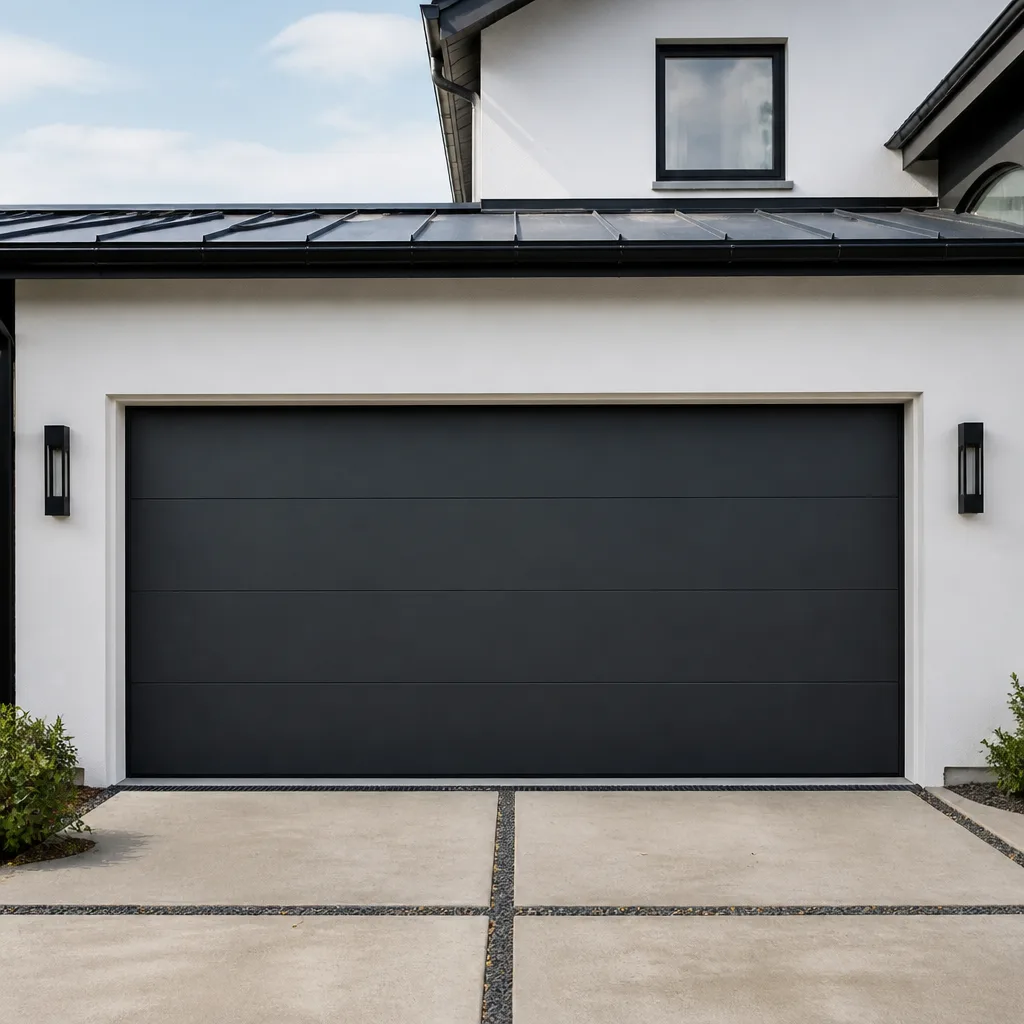 Modern flush
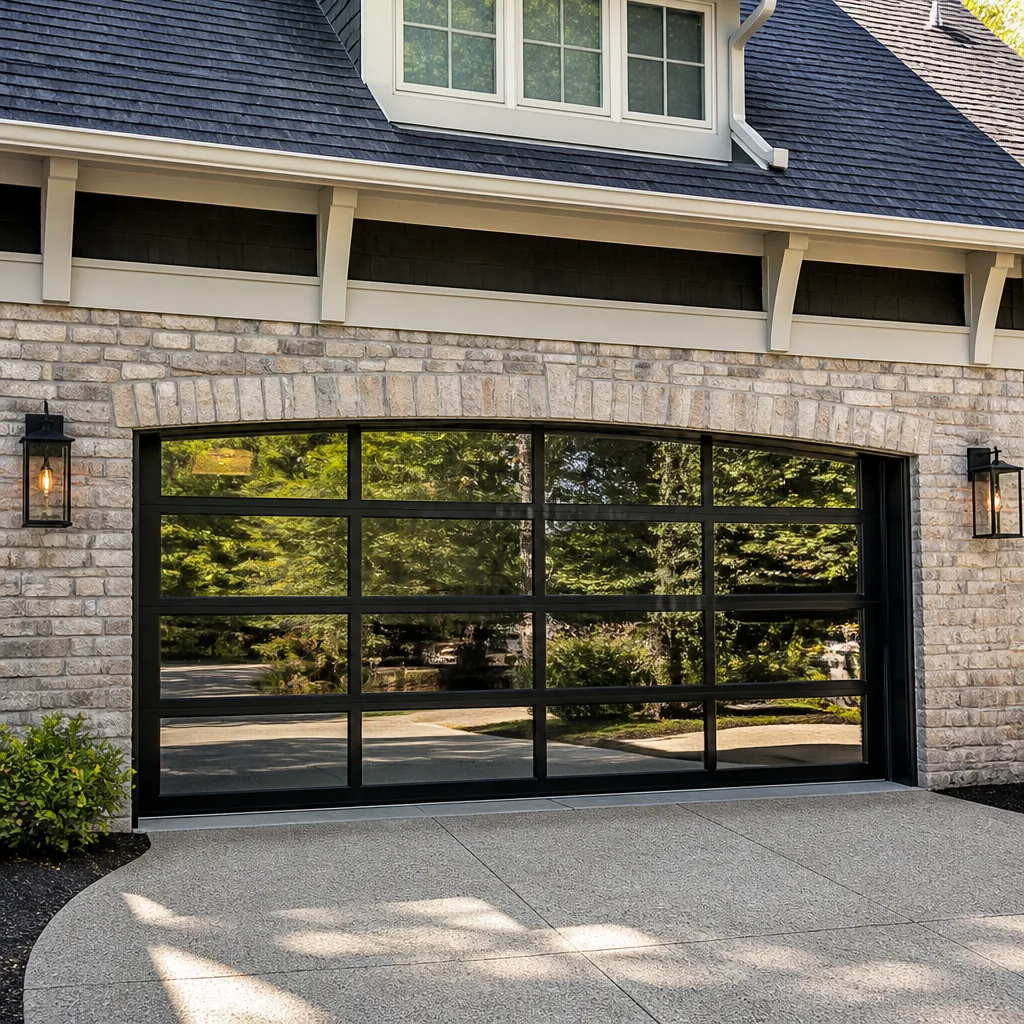 Full-view glass
 LiftMaster openers
 Chamberlain openers
Full 25-point door and opener safety check with every visit - springs, cables, rollers, tracks, and your LiftMaster or Chamberlain opener included
You get a price before we start. It does not change when the pro arrives.
Get your free estimateGarage Door Permits, Codes & Inspections in Springfield, MA: What You Need to Know
Most Springfield homeowners assume that replacing a garage door is a permit-free job. It often is. But “often” is doing a lot of work in that sentence, and the gap between a like-for-like swap and a permitted project comes down to three specific triggers that contractors frequently don’t mention upfront. If your new door changes the rough opening size, adds an operator where none existed, or goes onto a structure built before Springfield’s 1986 zoning update, the paperwork can change. Skip it, and a future home sale can get complicated years later. In this guide we’ll walk through the Massachusetts State Building Code (780 CMR) triggers, how the Springfield Building Department process actually works, what an inspection checks, and what to do if you discover a previous owner’s unpermitted door.
Quick Answer
A like-for-like garage door replacement in Springfield, MA usually doesn’t need a permit. You likely do need one when the work changes the rough opening size, when you’re adding a new operator or electrical circuit where none existed, or when the installation alters the structure of a home built before Springfield’s 1986 zoning update. When a permit is required, you apply through the Springfield Building Department, expect a review period before work starts, and plan for an inspection at the end. The written estimate should say which category your job falls into before anyone lifts a tool.
Styles & brands we work with
- Raised-panel steel
- Carriage house
- Modern flush
- Full-view glass
- LiftMaster openers
- Chamberlain openers
Table of Contents
- The Three Triggers That Turn a Door Swap Into a Permitted Project
- What the Massachusetts State Building Code (780 CMR) Says About Garage Doors
- How the Springfield Building Department Process Works
- What a Garage Door Inspection Actually Checks
- Wind Load and Energy Code Requirements in Hampden County
- How Unpermitted Work Shows Up During a Home Sale
- What to Do If You Inherit an Unpermitted Installation
- When Repair Needs a Permit (and When It Doesn’t)
The Three Triggers That Turn a Door Swap Into a Permitted Project
This is the part most homeowners never hear until they’re already deep into a project. In Springfield, the line between “replacement” and “permitted construction” usually comes down to three triggers. Any one of them can move you from a straight swap into permit territory.
Trigger 1: A change to the rough opening size
The rough opening is the framed hole in your wall where the door goes. If you’re replacing an 8-foot-wide door with another 8-foot-wide door of the same height, the framing doesn’t change. If you’re widening the opening for a double-car door, raising the header for a taller door, or cutting into the structural framing, you’re altering the building. That’s construction, and construction needs a permit.
Widening a garage door opening is structural work. It requires cutting a header, reframing, and confirming the load above the opening is carried correctly. This is the most common trigger we see, and it’s the one most likely to be missed in a verbal quote over the phone. Ask specifically what happens to the opening before you sign anything.
Trigger 2: Adding an operator or electrical circuit where none existed
If your garage has a manual door and you’re adding a powered opener, the job now includes a new electrical circuit or a hardwired connection. In Springfield, as in most of Massachusetts, electrical work falls under a separate electrical permit pulled by a licensed electrician. A garage door company that isn’t licensed for electrical work shouldn’t be running new wiring, and a company that doesn’t tell you an electrician will be involved is telling you something about how they work.
Replacing an existing opener on an existing circuit is a different story. The circuit is already permitted and inspected. Swapping a LiftMaster for a Chamberlain, or a Craftsman for a Genie, on the same wiring is typically a like-for-like replacement.
Trigger 3: A home built before Springfield’s 1986 zoning update
Springfield’s zoning update in 1986 didn’t just reshape the city’s development rules – it drew a line that still matters for renovation permits today. Homes built before 1986 often sit in older plats with smaller setbacks, narrower driveways, and framing details that don’t match current assumptions. If your garage door work touches the structure of a pre-1986 home, the Building Department will usually want a closer look at what’s happening to the existing framing.
This isn’t a rule that says “no permits for old homes.” It’s a rule that says “expect more scrutiny on old homes.” In older Springfield neighborhoods, this comes up regularly.
What the Massachusetts State Building Code (780 CMR) Says About Garage Doors
The Massachusetts State Building Code, cited as 780 CMR, governs construction across the state, and Springfield enforces it locally through its Building Department. For garage doors, 780 CMR touches the topic in a few specific ways, and it’s worth knowing which ones apply to your project.
Under 780 CMR, garage door replacement is generally treated as ordinary repair and maintenance when the door is the same size, same type, and same operating mechanism. Repair and maintenance don’t require a permit. What 780 CMR does regulate, and what requires a permit, is anything that changes the structural envelope, adds a new electrical system, or changes how the garage functions as a habitable space.
- Same-size, same-type door swap: typically repairs and maintenance, no permit
- New opener on existing circuit: typically repairs and maintenance, no permit
- New opener with new electrical circuit: requires an electrical permit
- Widening or heightening the rough opening: requires a building permit
- Converting the garage to habitable space (adding a door where there wasn’t one): requires a building permit and possibly other permits
- Structural changes to the wall above the door: requires a building permit
One thing to keep in mind: state code sets the floor and Springfield’s local amendments and administrative rules set the process. If your contractor says “the state code doesn’t require it” but your neighbor’s permit got flagged by Springfield, the state code wasn’t the whole story. Always confirm with the Springfield Building Department on your specific property.
How the Springfield Building Department Process Works
If your project does cross into permit territory, here’s how the Springfield process typically runs. Timelines vary by workload and by how complete your application is, so treat each step as a sequence rather than a calendar.
- Confirm the scope in writing. Before you apply, have the contractor put the exact scope on paper: door dimensions, opening dimensions, whether an operator is being added, whether electrical is involved. The Building Department will ask for this anyway, and a contractor who can’t supply it before applying is telling you something.
- Pull the permit through the Springfield Building Department. Building permits are typically pulled by the contractor doing the work, not the homeowner. Some Springfield projects require a licensed contractor to file, and some allow the homeowner to pull their own permit as an owner-builder. Confirm which category yours falls into.
- Submit plans or a scope document. For a door replacement that changes the opening, expect to submit a simple plan or sketch showing the existing opening and the proposed opening, along with the framing detail. For an electrical permit, the licensed electrician submits their own.
- Wait for plan review. The Building Department reviews for code compliance and may ask for revisions. A rough opening that changes size will likely get a comment about the header and load path. Respond with the requested detail rather than guessing at what they wanted.
- Get the permit in hand before work starts. This matters. Work started before a permit is issued is unpermitted work, even if the permit is approved the following day.
- Schedule the inspection. When the work is complete, call for inspection. Inspectors look at framing, fastening, and the door’s operation and labeling. An inspection isn’t a test you cram for – it’s a walkthrough confirming what the permit said would happen actually happened.
Local context worth knowing: Springfield’s older housing stock means a large share of garage door projects happen on homes that predate 1986. That’s not a red flag, but it does mean the inspection side of the process is more likely to include a real look at the framing above the opening rather than a glance at the door.
What a Garage Door Inspection Actually Checks
Homeowners often picture an inspection as a formality. In our experience, an inspector’s job is to confirm that the door on the wall matches the door on the permit and that everything holding it up is safe. Here’s what actually gets looked at.
- The rough opening dimensions. Do the actual dimensions match what was approved? A door that’s two inches wider than the permit says is a problem.
- Header and framing. Is the load path above the opening intact? Did the header get installed or cut correctly? Inspectors look at the framing with a flashlight and a tape measure, and they’re not shy about asking for engineered detail if something looks off.
- Fastening. How is the track anchored? Are the brackets into solid framing or into drywall anchors? A door that’s operating fine today but fastened into drywall is a future problem.
- Door and component labeling. Doors and openers carry manufacturer labels indicating their ratings and compliance. An inspector may look at the label to confirm the door meets the wind load requirement for the property.
- Operation. Does the door open, close, reverse on obstruction, and hold position? Functionality is checked, not skipped.
- Electrical (if applicable). If the job included new electrical, the electrical inspection covers the box, the circuit, and the connection to the opener. That’s a separate inspector from the building inspector.
An inspection performed as part of a permitted install is different from a service inspection. If you’re hearing a bang, seeing a gap in the tracks, or suspect the door isn’t reversing, that’s not an inspection – that’s a garage door repair call. We see these separately because they are separate: the code process and the mechanical process happen at different times for different reasons.
Wind Load and Energy Code Requirements in Hampden County
Garage doors are the largest moving object on most homes, and they’re also one of the largest openings in the exterior envelope. That makes them subject to two categories of code requirement that matter in Hampden County: wind load and energy.
Wind load is the amount of pressure a door has to resist from wind. Every door installed in Massachusetts has to be rated to meet the local wind load requirements for its design and installation. On a like-for-like replacement of the same door on the same opening, the existing rating is typically what you’re matching. On a new install or a size change, the door you choose has to meet the current requirement for its location on the home. If you’re shopping, ask what the wind load rating is on the door you’re considering. Clopay and Amarr both publish these ratings for their product lines.
Energy code is the other half. A garage door on a conditioned garage, or a garage door that’s part of the thermal envelope of a home, must meet energy code requirements for the assembly. Most single-car garage doors aren’t required to meet insulating values the way an exterior wall is, but an attached garage that shares a wall with living space creates a different consideration. If your garage is heated or the door is part of a sealed envelope, ask the contractor how the door’s insulation rating fits the requirement. Wayne Dalton and Craftsman both offer doors in multiple insulation ratings; the right one depends on the assembly, not the marketing.
In Hampden County’s climate, insulated doors make a functional difference for attached garages because they reduce temperature transfer to the living space above and beside them. That’s a comfort and energy story, not just a code story, but the two overlap.
How Unpermitted Work Shows Up During a Home Sale
Unpermitted garage door installation usually sits silently for years – until you try to sell. That’s when it surfaces, and it surfaces in a few predictable ways.
- The title search or permit history check. A buyer’s attorney or title company pulls the building permit history from Springfield. An install that changed the opening but has no permit on record is a visible gap.
- The home inspection report. A good home inspector notices when the rough opening doesn’t match the door that’s in it, or when the framing above the door was clearly modified without current permits. That goes in the report, and the buyer’s agent uses it as a negotiating lever.
- The buyer’s lender. Some loan programs ask about unpermitted improvements, and a structural change without a permit can create questions that delay or complicate closing.
- Insurance. If the unpermitted work is tied to a later claim – a door failure, water intrusion around a badly framed opening – the insurer can ask questions about permits. The claim isn’t automatically denied, but the process is not what anyone wants.
Remedying unpermitted work after the fact usually means pulling a permit as a “legalization” and going through the same inspection the work should have gone through originally. That’s not a disaster, but it’s more expensive and more time-consuming than having pulled the permit upfront, and it can happen at the worst possible moment – during a sale, on a timeline you don’t control. We work through permit and code questions with homeowners on a regular basis in Springfield, and the pattern holds: the upfront process is easier than the retrofit.
What to Do If You Inherit an Unpermitted Installation
You bought the house, moved in, and now you’re noticing that the garage door doesn’t quite line up with the opening, or that the framing above it looks different from the rest of the wall. It’s not unusual, and it’s fixable. Here’s the realistic path.
- Pull the permit history first. The Springfield Building Department can tell you what permits exist for the property. If there’s no record of a garage door permit and the opening was clearly modified, you’re looking at unpermitted work.
- Get a professional assessment of the current state. Before you apply for anything, have someone who works on doors full-time look at the installation: the opening, the framing, the track anchoring, the door’s labeling, and the opener. You want to know what’s actually there.
- Decide the goal: legalize or redo. Sometimes the unpermitted install is structurally fine and just needs a permit pulled and an inspection passed to make it official. Sometimes the framing was done badly enough that it should be corrected. The assessment tells you which case you’re in.
- Apply for a permit as a legalization. Ask the Springfield Building Department specifically about legalizing the existing installation. They’ll tell you what they need to see.
- Correct what the inspection flags. Inspectors are specific about what needs fixing. Handle those items with a licensed professional, then call for re-inspection.
- Keep the paperwork. When it’s done, keep the permit and inspection records with your closing documents. Future you, or a future buyer, will want to see them.
If you’re already looking at a failing door on top of the paperwork, the spring side of the job is where the real safety question lives. garage door spring repair is not a project for a homeowner with a ladder and a set of winding bars. Torsion springs are under extreme tension, and a spring that lets go can cause serious injury. That’s not a reason to delay – it’s a reason to call someone equipped for it.
When Repair Needs a Permit (and When It Doesn’t)
Repairs almost never need a permit. Replacements sometimes do. The distinction is worth learning because it changes how you should approach the conversation with any contractor.
Repair covers work that returns the door to its original condition: replacing a broken spring, swapping a bent roller, re-aligning a track, replacing a panel with an identical one, swapping an opener for a same-type unit. None of these change the structure or add a system. None of these need a permit in Springfield.
Replacement on the same opening with the same size door is still typically repairs and maintenance under 780 CMR. What tips a replacement into permitted territory is a change to the physical opening, a new electrical system, or a change to the way the garage functions as part of the home. If you’re not sure which side of the line you’re on, the contractor should be able to tell you in one sentence during the estimate. If they can’t, that’s not a contractor who does this often enough to trust with the work.
This is a big part of why we keep our work garage-door-only. We work on LiftMaster, Chamberlain, Genie, Clopay, Amarr, Wayne Dalton, Craftsman, and Raynor products specifically, which means our technicians have up to 12 years of experience on the exact systems in Springfield garages, and know which jobs are paperwork-light and which ones need a call to the Building Department before a single tool comes out of the box. When your garage door opener is the piece that’s failing, garage door opener repair is often a straight swap without any code involvement. When it’s an install on a new circuit, the paperwork gets real.
Common Mistakes to Avoid
- Assuming “replacement” means “no permit.” Most replacements don’t need one – but the exceptions are common enough that you should ask, not assume. A contractor who answers “probably not” without asking about your opening deserves a follow-up question.
- Letting work start before the permit is issued. A permit approved on Tuesday doesn’t cover work that started Monday. Springfield inspectors will note the sequence, and the fix is more expensive than waiting.
- Skipping the electrical permit when adding an opener. A new opener isn’t just a mechanical install if there’s a new circuit. The electrical permit is separate from the building permit, and the electrician pulls their own.
- Assuming a pre-1986 home gets a pass. Older Springfield homes with modified framing are the ones most likely to need a closer look, not the least.
- Buying a door without checking the wind load rating. A sale price on a door that doesn’t meet the rating for your property is money saved on the wrong thing. Ask before you order.
- Hiring a general handyman for a permitted job. Permits often require a licensed contractor to file and to perform specific work. A handyman who isn’t licensed for the scope can’t legally pull the permit for you.
- Not keeping the permit paperwork. When you sell, the permit and inspection record is the proof that the work was done right. Save it with your closing documents.
See the difference
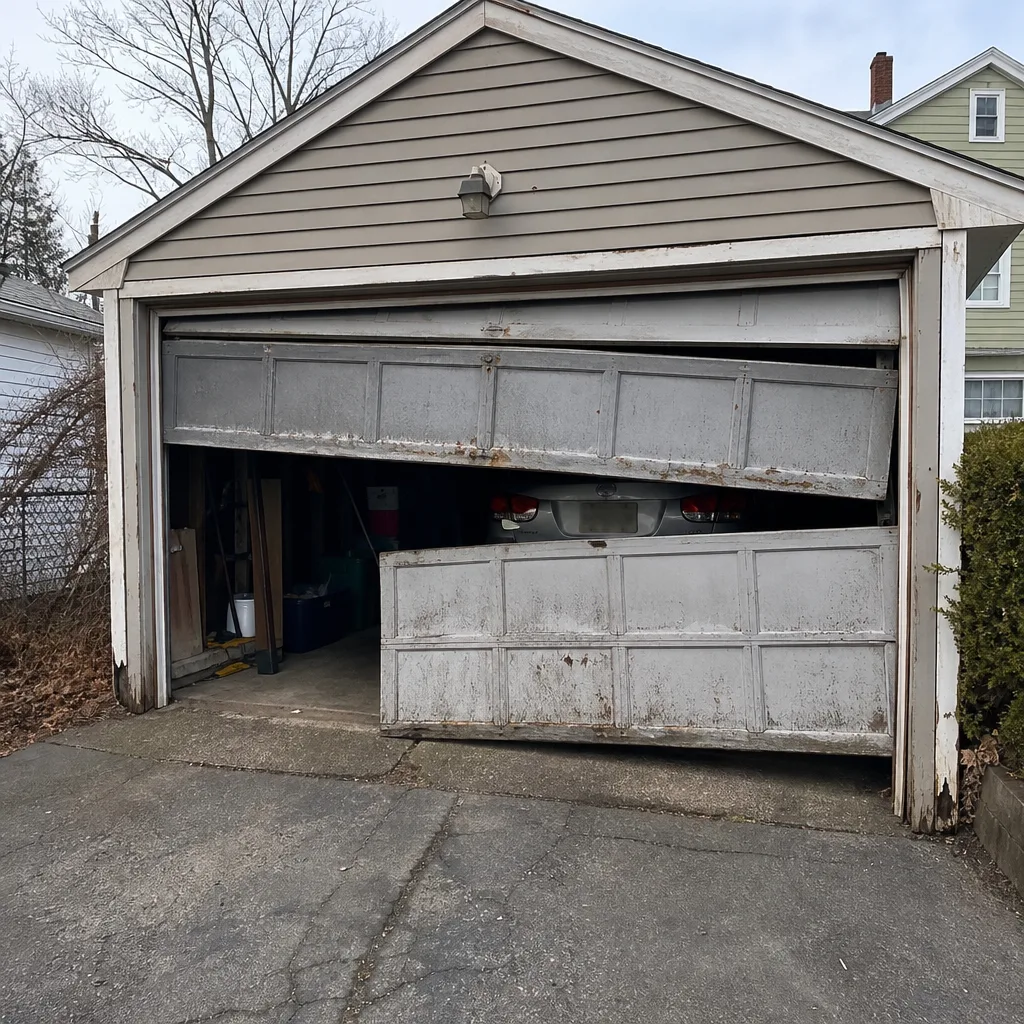 Before
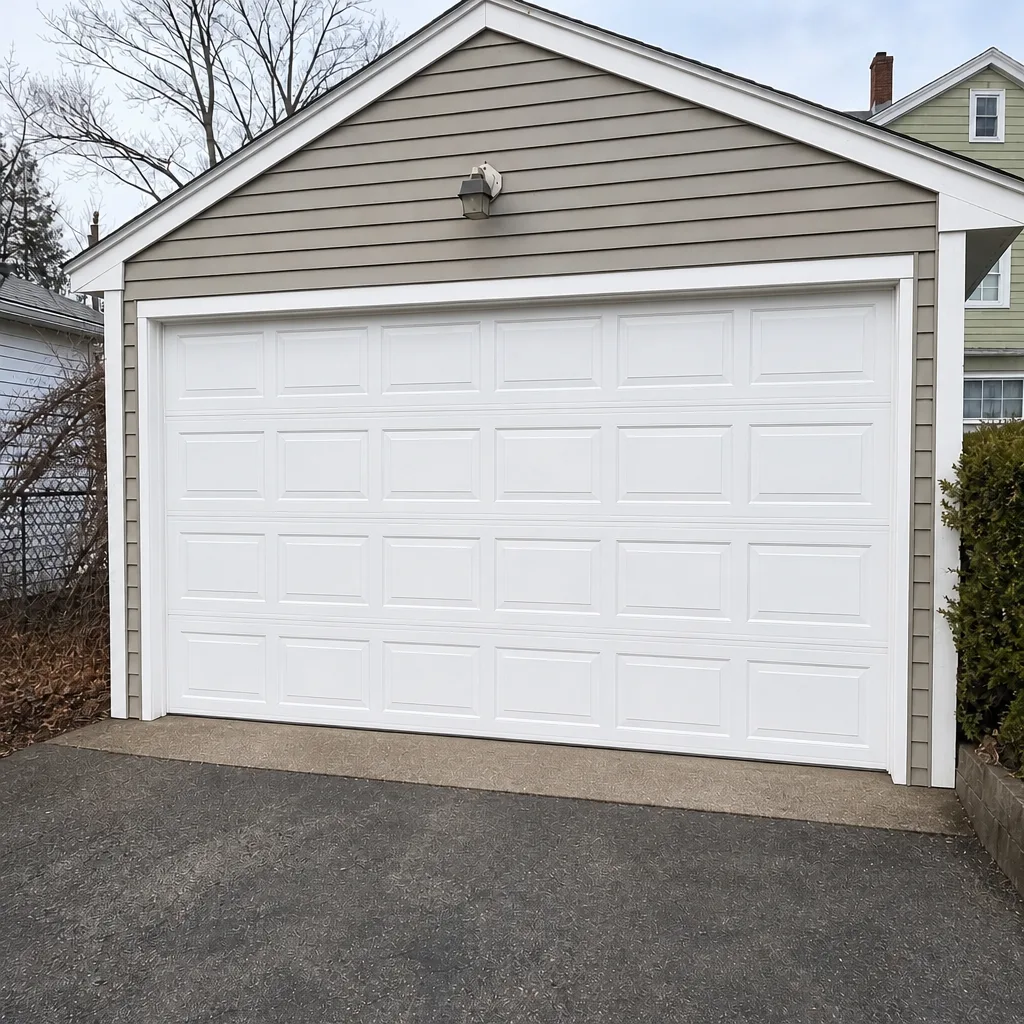 After
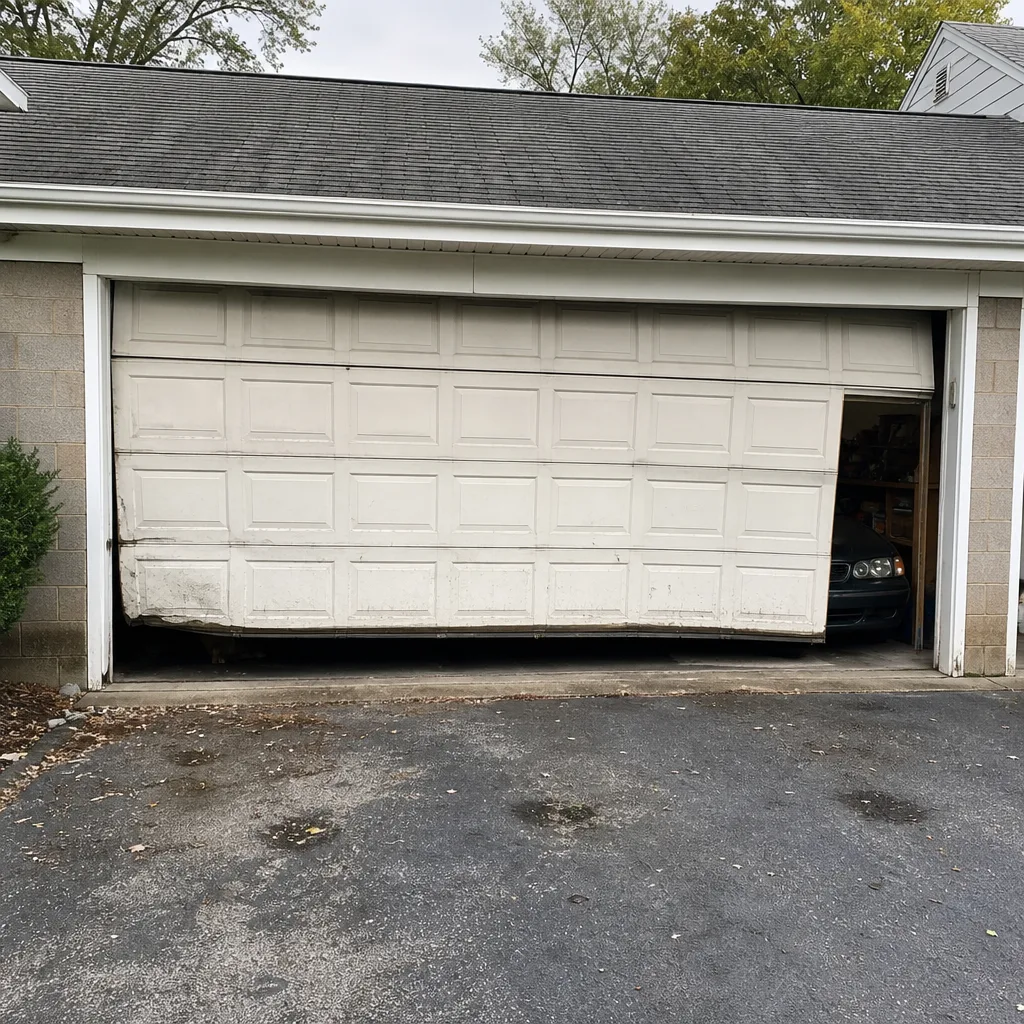 Before
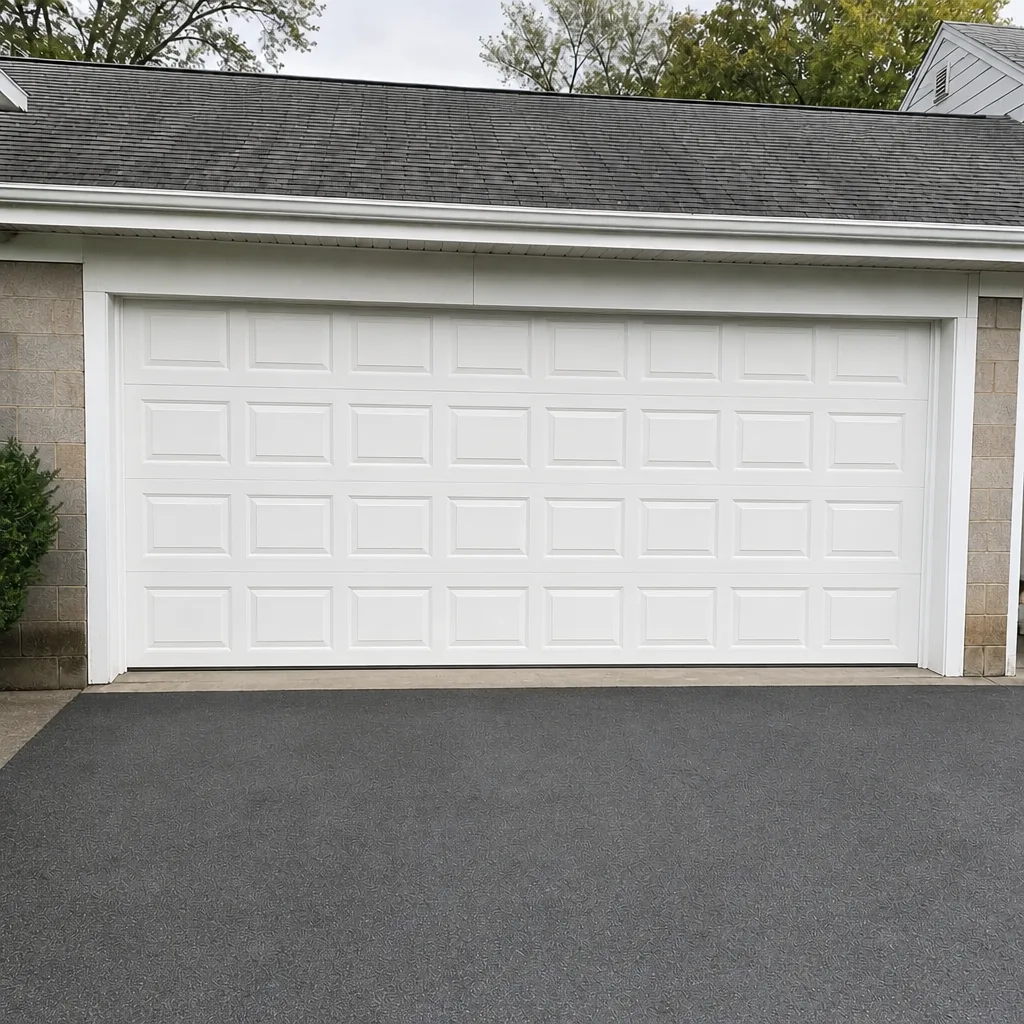 After
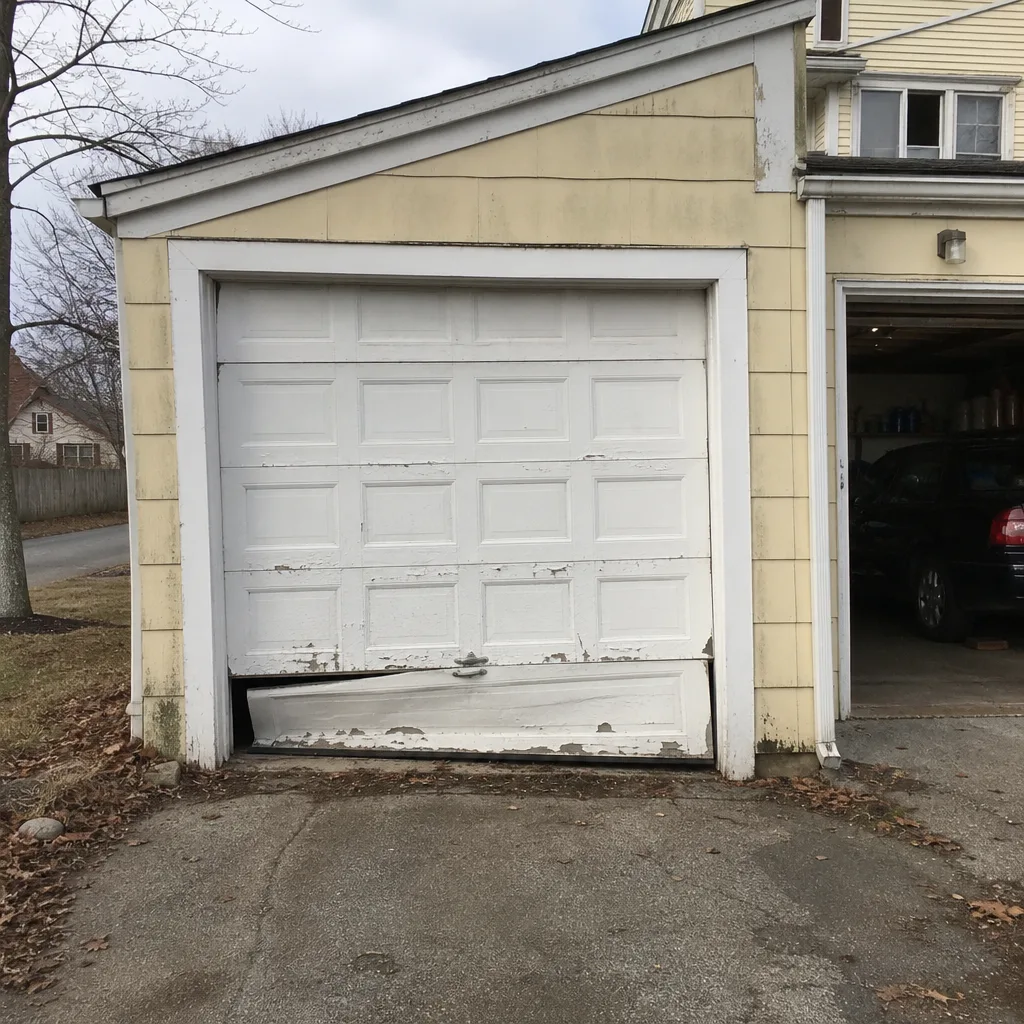 Before
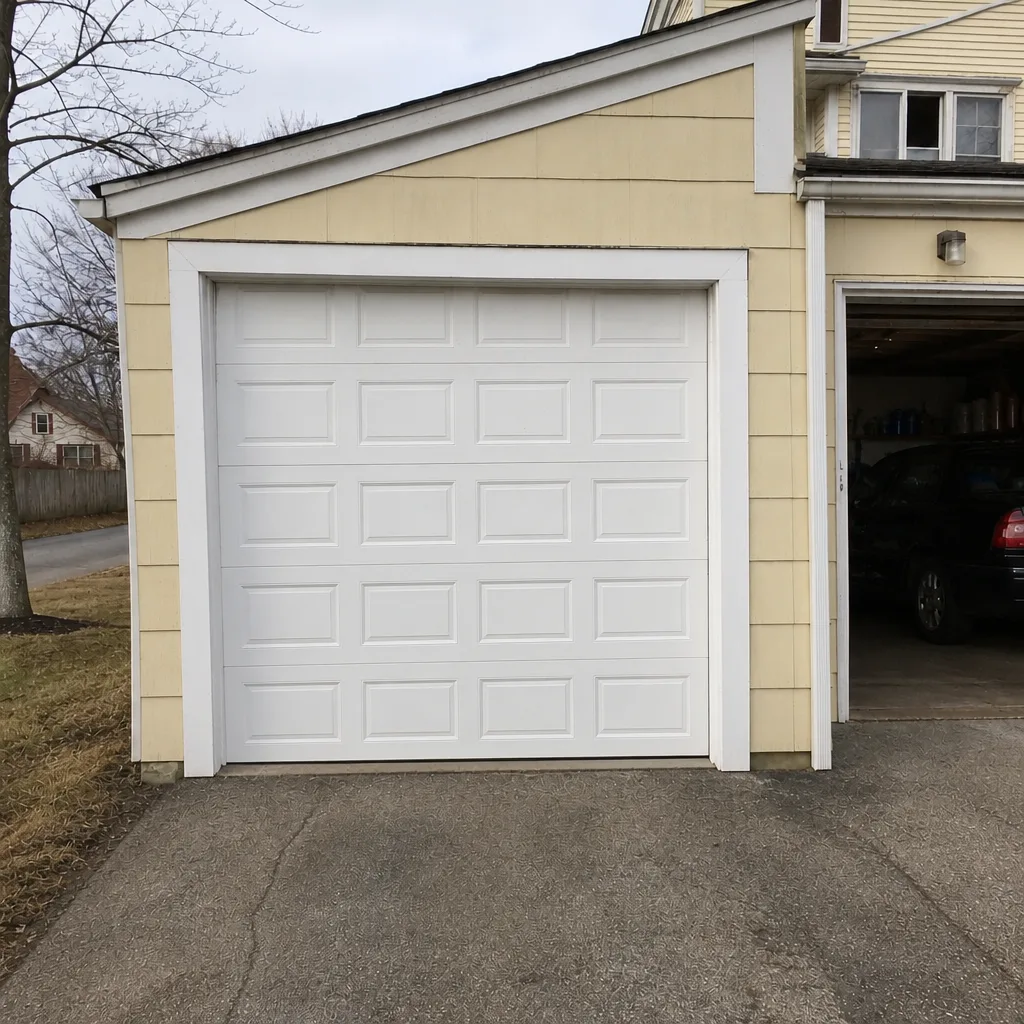 After
When to Call a Professional
Some garage door questions are paperwork questions. Others are safety questions, and those don’t wait. Call a professional if a spring has broken or the door is visibly leaning or stuck partway, if the door’s opening size has changed and you’re unsure what the permit situation is, if you’re adding an opener and the wiring isn’t already in place, if you’re buying or selling a home in Springfield and the permit history is unclear, or if the door isn’t reversing on obstruction. Call us before an install if you’re not sure which side of the repair-vs-replacement line your job sits on. Garage Door Repair Springfield Pros offers free estimates in Springfield – call (866) 412-1607. The written estimate tells you which category your job is in and what the price will be, quoted and agreed before any work starts.
A note on safety that we take seriously: spring work and panel replacement are the two jobs where homeowners most often get hurt trying to save a call. Torsion springs are under thousands of pounds of stored tension, and the correct tools and technique aren’t something to learn from a video. For Garage Door Repair Springfield Pros, spring work goes to technicians equipped for it, not to a homeowner with borrowed equipment.
Frequently Asked Questions
Usually no, but not always. A like-for-like door replacement on the same rough opening, with an existing opener on an existing circuit, is typically treated as repairs and maintenance under 780 CMR and doesn’t need a permit. You likely need one if the rough opening size changes, if you’re adding a new opener on a new electrical circuit, or if you’re modifying structural framing on a home built before Springfield’s 1986 zoning update. Call (866) 412-1607 for an exact quote on your job – estimates are free.
Permit review timelines vary by the scope of the project and the Building Department’s workload, so there’s no fixed number we can give you. A straight replacement that crosses into permit territory is usually a shorter review than a rough opening change with structural framing. An electrical permit runs on the electrician’s submission, not yours. The safe planning assumption is that you’ll wait for review before work starts, and building that wait into the schedule is easier than discovering it mid-project. Call us if you want to talk through your specific project and what the paperwork likely looks like.
No – the written estimate is the price. We quote before any work starts, and the number on the estimate is what you’re agreeing to. If we discover something not visible during the estimate that changes the scope, we stop and talk to you about it before continuing, and you get a revised written price to approve. Nobody starts work under one number and finishes under another. Call (866) 412-1607 to set up a free estimate.
The local professionals we connect you with are licensed and insured as Massachusetts requires for their scope. We work only on garage door systems – springs, panels, tracks, and openers – as a single-trade specialist, not as a general contractor. For electrical work on a new opener circuit, a licensed electrician pulls their own permit and performs the electrical side, which is a separate scope. Call (866) 412-1607 for details about your specific job.
It can usually be legalized. Pull the permit history from the Springfield Building Department, get a professional assessment of the current installation, then apply for a permit as a legalization of existing work. The inspector will tell you specifically what needs to be corrected, and once corrected, the installation moves to permitted status. It’s usually less expensive than knocking the whole thing out and starting over, and it makes the home sale a non-event. Ask us for an assessment if you’re in this situation – call (866) 412-1607.
Not usually. Replacing an existing opener on an existing electrical circuit is a like-for-like swap and typically falls under repairs and maintenance. The situation changes when there was no opener before, or when the new opener needs a new circuit. In that case, the electrical work needs an electrical permit pulled by a licensed electrician. If you’re not sure which situation you’re in, ask during the estimate and we’ll tell you before you commit. Call (866) 412-1607 for a free estimate.
The Bottom Line
Most garage door replacements in Springfield don’t need a permit. Some do – and the difference usually comes down to the rough opening size, whether a new operator and circuit are involved, and the age of the home relative to Springfield’s 1986 zoning update. When a permit is required, the process is straightforward: apply through the Springfield Building Department before work starts, get an inspection at the end, and keep the paperwork for the next sale. If you inherit unpermitted work, the realistic path is legalization, not panic. The good news is that the paperwork side is predictable, and the mechanical side is what we handle. Our technicians have up to 12 years of experience across the major brands, and garage door repair work doesn’t get sidelined by code questions. Call (866) 412-1607 for a free estimate and we’ll tell you exactly where your project lands.
Written by the team at Garage Door Repair Springfield Pros.