Last updated November 21, 2026
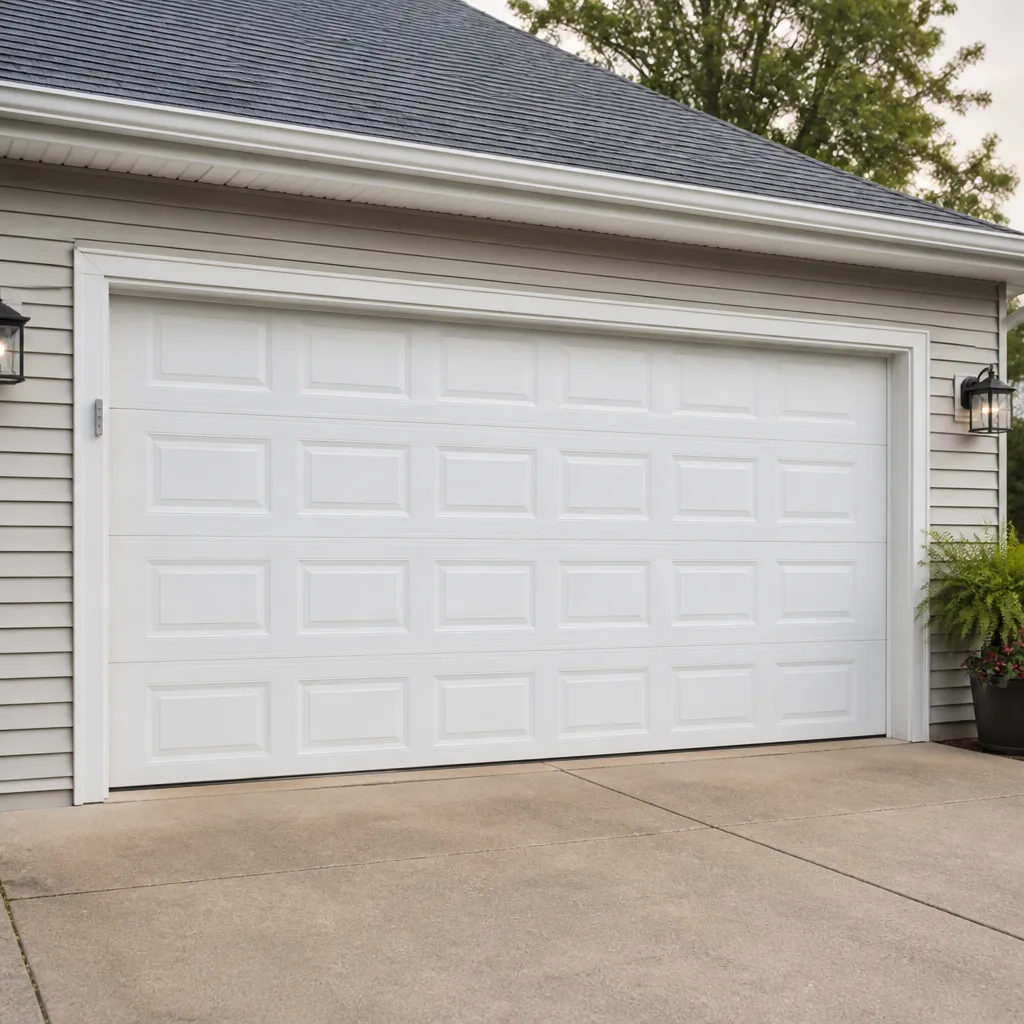 Raised-panel steel
 Carriage house
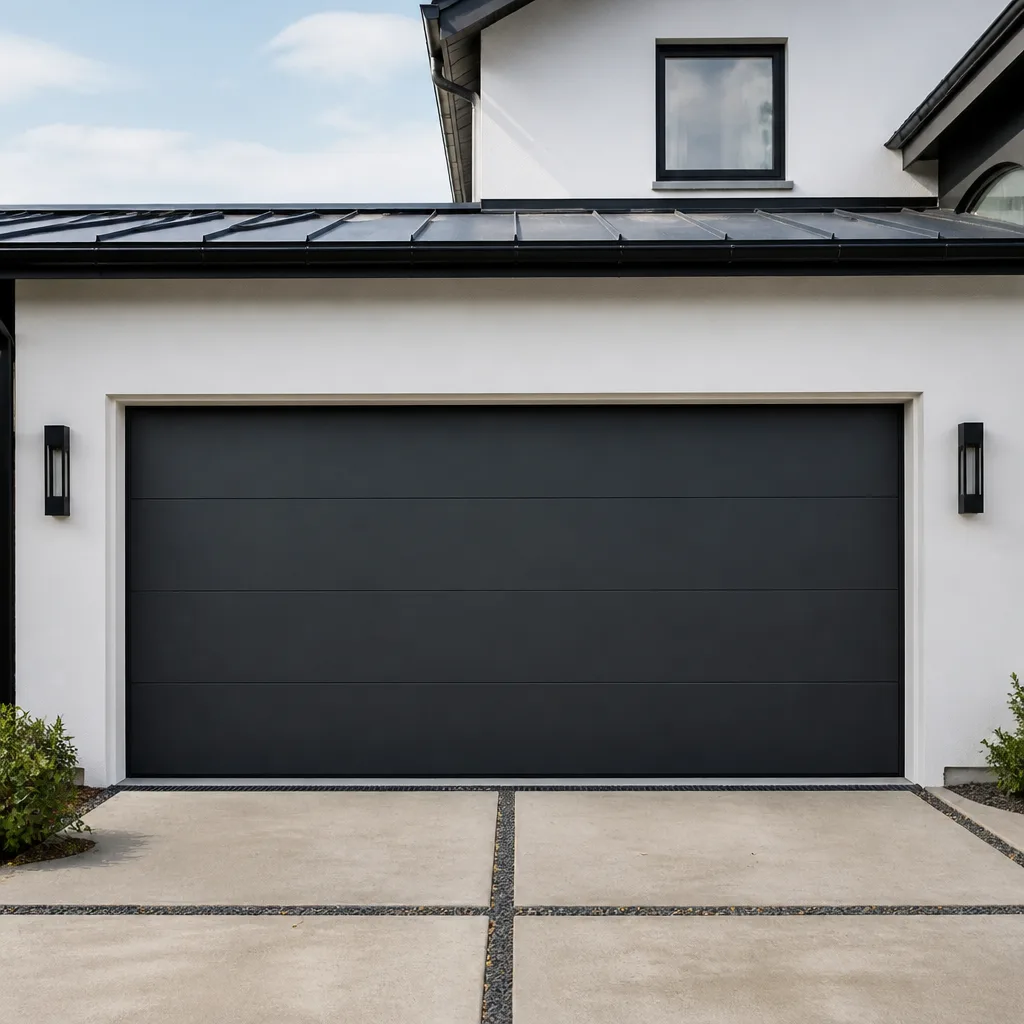 Modern flush
 Full-view glass
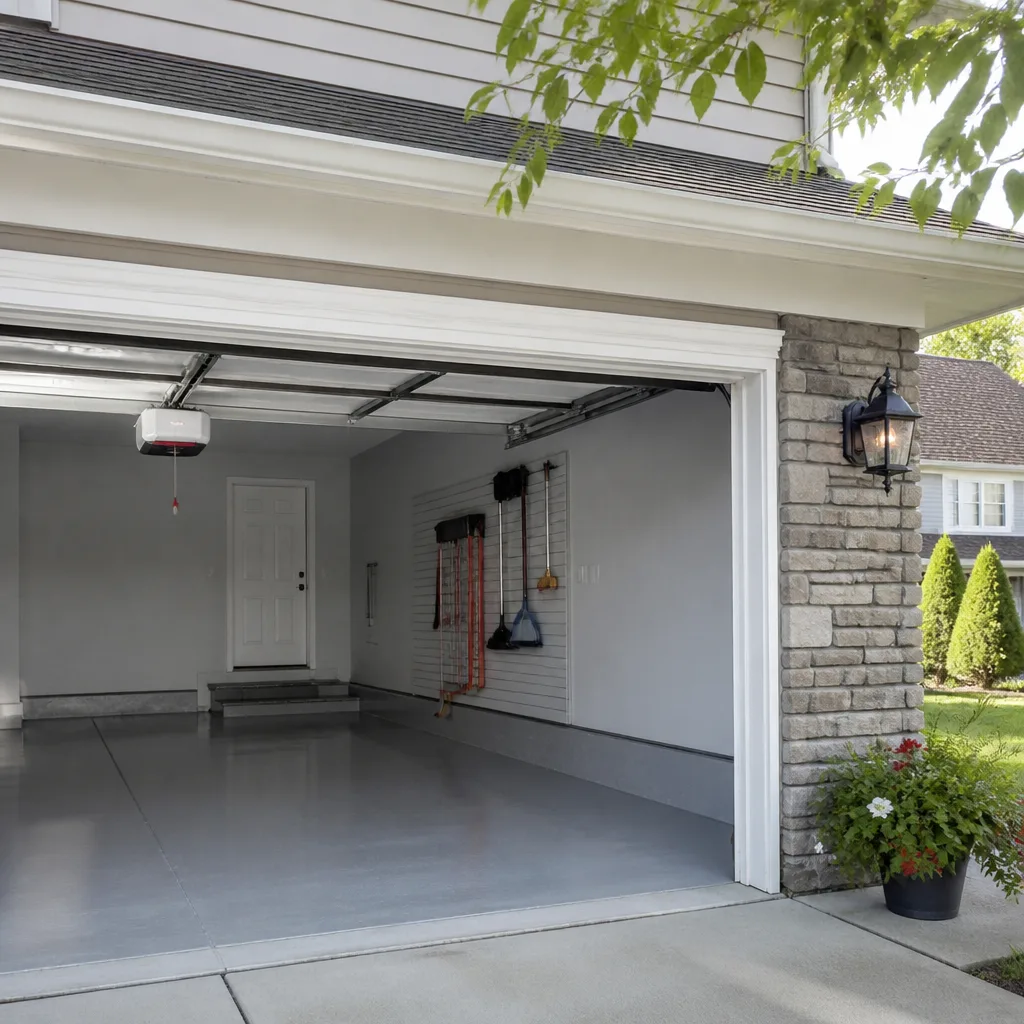 LiftMaster openers
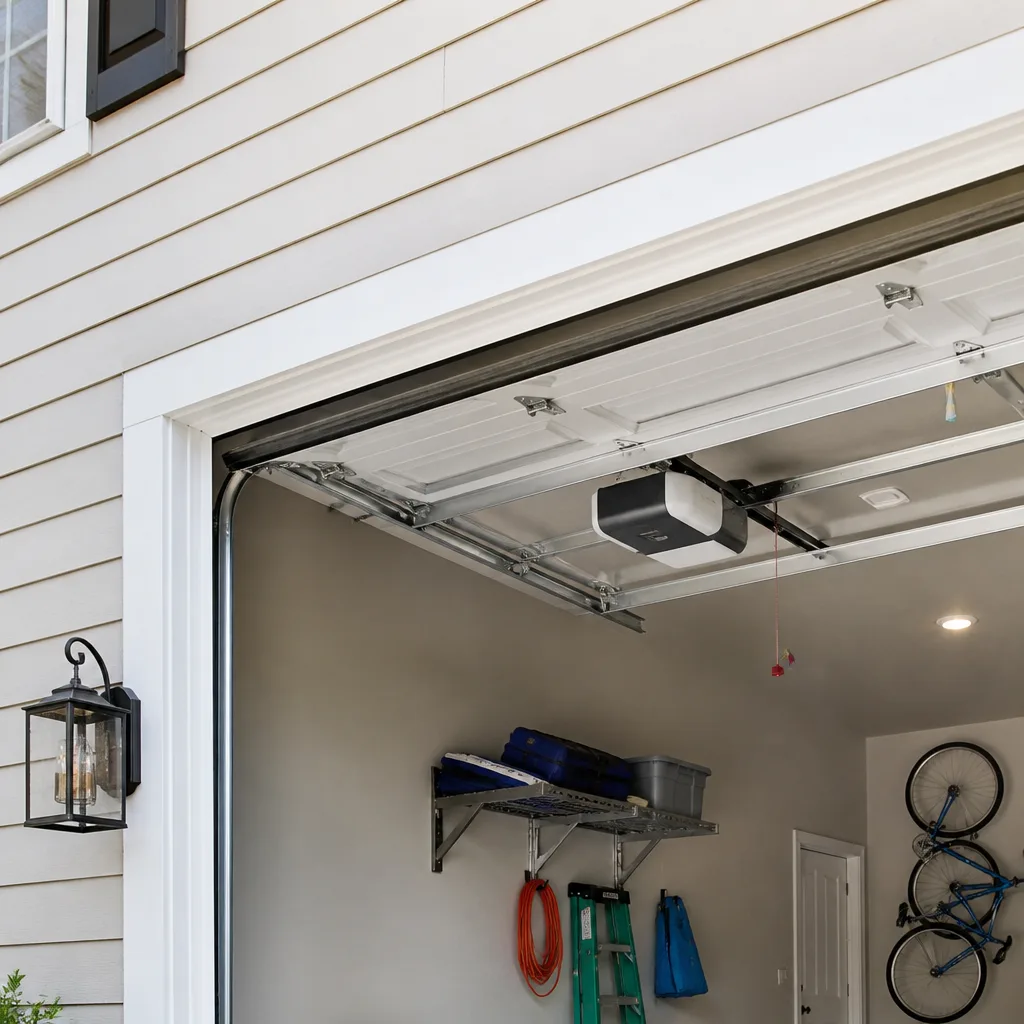 Chamberlain openers
Full 25-point door and opener safety check with every visit - springs, cables, rollers, tracks, and your LiftMaster or Chamberlain opener included
You get a price before we start. It does not change when the pro arrives.
Get your free estimateGarage Door Repair Maintenance Checklist for Springfield Homeowners
A worn nylon roller doesn’t just wear out. It telegraphs stress to the track bracket above it, which loosens the lag bolt holding that bracket to the header, which eventually pulls the whole vertical track out of plumb. By the time the door starts scraping, you’re paying to fix four things instead of one. Springfield homeowners who understand this sequence save themselves a service call every couple of years. This guide is built around the failure order, not a generic ten-point list, so you catch the small problem before it becomes the big one.
Quick Answer
Inspect your garage door’s springs, cables, rollers, hinges, and track twice a year, and lubricate the moving metal parts each time. In Springfield, schedule one inspection before the first hard freeze in late fall and another after the thaw in March. Skip the springs and cables themselves for anything but visual inspection: those carry dangerous tension and belong to a trained technician. Everything else, from track bolts to weather seals, you can check and maintain yourself.
Styles & brands we work with
- Raised-panel steel
- Carriage house
- Modern flush
- Full-view glass
- LiftMaster openers
- Chamberlain openers
Table of Contents
- The Failure Cascade: How One Part Wears the Next
- Springfield Timing: What to Do Before the Freeze and After the Thaw
- How to Check Spring Balance Without Touching the Spring
- Which Lubricant Goes Where, and Which Ones to Avoid in the Cold
- Rollers, Hinges, and Track: The Monthly Check
- Weather Seals and the New England Freeze-Thaw Cycle
- Opener Maintenance: Force Settings, Safety Eyes, and Battery Backup
- Building a Maintenance Log a Technician Can Actually Use
The Failure Cascade: How One Part Wears the Next
Garage door systems fail in a predictable order. Parts are connected, so when one wears, the ones downstream of it take on load they weren’t designed for. Understanding the sequence lets you inspect in the order failure actually happens, which means you fix the root cause instead of chasing symptoms.
Here’s the chain we see most often in Springfield:
- Worn rollers. Nylon or steel rollers develop flats and stop spinning smoothly. The door starts riding rough.
- Track brackets take the stress. Stiff rollers transfer vibration and lateral force into the brackets that hold the track to the wall and ceiling.
- Lag bolts loosen. Bracket vibration works the lag bolts loose. The track slips slightly out of plumb.
- Hinges and panels strain. Out-of-plumb track forces the hinges to bind, and the door panels flex where they meet.
- The opener compensates. The motor works harder to push a door that’s fighting its own track. Gears, belts, or screw drives wear faster.
- The spring loses balance. A door that’s been dragging burns through spring cycles quicker, and the whole system gets expensive to fix.
Notice that the cheap part is always at the top. A set of rollers is a small job. A track that’s been out of plumb for a season, dragging the panels and the opener with it, is a much bigger one. Inspecting from the rollers outward, in that order, is how you keep the small fix small.
In our experience, most of what goes wrong on a Springfield door traces back to a roller or a loose bolt that nobody looked at. Our technicians have up to 12 years of experience, and the pattern holds across every brand we work on. If you’d rather have the whole system checked in one visit, garage door repair from a specialist covers the door and the opener together.
Springfield Timing: What to Do Before the Freeze and After the Thaw
Springfield’s winters are the real variable in a maintenance schedule. “Fall maintenance” is too vague. What matters is getting specific tasks done before the first hard freeze, and a different set of tasks done once the ground thaws in March.
Before the first hard freeze (late October into November)
- Lubricate everything that moves. Cold thickens grease and stiffens old lubricant. A door that ran fine in September can bind in January if the metal wasn’t cleaned and re-lubricated first.
- Check the bottom weather seal. A cracked or flattened seal lets cold air and snowmelt in. Replace it before the freeze, not after.
- Test the door’s balance. A worn spring works harder in cold, and a door that’s already unbalanced is the one that fails first.
- Tighten track bolts and hinge screws. Wood and metal both shrink slightly in the cold. Loose fasteners that seem fine now will rattle by December.
- Check the opener’s force and travel limits. The opener should push the door smoothly. If it’s straining, adjust the limits or call for a check.
After the thaw (March into April)
- Inspect the track for frost heave damage. Ground movement and freeze-thaw cycles can shift the floor and the wall, and your track can go out of plumb over the winter.
- Look for rust and moisture. Snowmelt sitting at the base of the door and around the hinges is where corrosion starts.
- Recheck the spring. A spring that survived the winter may still be past its service life. Balance testing tells you.
- Re-test safety reversal. The opener’s safety eyes and auto-reverse should be checked after any winter where the door was operated in snow and slush.
- Clean and re-lubricate. Winter grit and de-icer residue get into the rollers and hinges. A spring cleaning of the moving parts resets the clock.
Springfield’s climate is hard on garage doors specifically because of the temperature swings. A door expands and contracts with the seasons, and every cycle works the fasteners a little looser. That’s why two checks a year beats one. If you want a professional to run both, our Garage Door Repair Springfield Pros team can handle the full inspection and the parts that need it.
How to Check Spring Balance Without Touching the Spring
Springs are the most dangerous part on the door. Torsion springs are under extreme tension and can cause serious injury if handled wrong. You should never adjust, unwind, or attempt to service a spring yourself. What you can do safely is check whether the door is balanced, using visual and audio cues.
Disconnect the opener first
Pull the emergency release cord to disengage the opener. The door should now be moving on its springs and track alone. This is the only safe way to test whether the springs are doing their job.
The balance test
- Lift the door by hand to about halfway open and let go.
- A properly balanced door stays roughly where you let it go, or drifts slowly.
- A door that slams down has springs that have lost tension.
- A door that shoots up on its own has springs that are too tight.
- Reconnect the opener when you’re done.
What to listen for
- Booming or rattling on the way up. Usually rollers or track, not the spring.
- A sharp snap or loud pop, then a door that won’t lift. A spring has broken. Stop using the opener and call for service; the door may be unsafe to move.
- Grinding or scraping from one side. The door is racking. The spring on one side may be taking more load than the other, which is a sign of imbalance.
- A visible gap in the coil. Look at the torsion spring above the door: if the coil is visibly separated or hanging, it’s broken.
What you can see without touching
Look at the torsion spring above the door. It should be a continuous, evenly coiled spiral. Rust streaks, a visible gap, or a spring that looks stretched on one end are all warnings. On extension springs, check that the safety cables run through the middle of the spring; if they’re missing or loose, have them added.
If the balance test tells you something’s wrong, don’t try to adjust the spring. garage door spring repair is a job for a trained technician, and we treat it as one of our core skills for exactly that reason. The spring is what makes the door safe to lift. Getting it right matters more than getting it done fast.
Which Lubricant Goes Where, and Which Ones to Avoid in the Cold
Lubrication is where most DIY maintenance goes wrong, and cold weather makes it worse. The wrong product attracts grit in summer and turns to gum in winter. Here’s what actually works on each component.
Know your product types
You’ll see three products recommended on garage door parts: white lithium grease, silicone spray, and a proper garage-door lubricant (often a lithium or PTFE-based spray). Each has a place:
- White lithium grease:
- Silicone spray: dries to a film, doesn’t attract grit, and stays functional in cold. Good for the track, the bottom seal, and the torsion spring area.
- Garage-door-specific lithium or PTFE spray: designed for the sliding and rolling contact in a door system. The right choice for rollers, hinges, and the track, especially in a cold climate.
What to avoid in the cold
Heavy general-purpose grease, wheel-bearing grease, and WD-40 used on its own all create problems in a Springfield winter. Heavy grease thickens and stiffens. WD-40 is a solvent more than a lubricant and evaporates, leaving the part drier than before. Neither belongs on a door that has to work in January.
Where each product goes
- Track: a light silicone or garage-door spray. Never oil the inside of the track where the rollers ride; it collects grit.
- Rollers: a drop of garage-door lubricant on each roller shaft. Nylon rollers need less than steel ones.
- Hinges: a small amount of lithium spray on the pivot points.
- Torsion spring: a light coat of silicone spray to keep rust off. Do not touch the spring while doing this; spray near it, from a safe distance, with the door fully closed.
- Bottom weather seal: a silicone spray keeps it from sticking and cracking.
- Opener rail or chain: follow the opener manufacturer’s guidance. Most belt and screw drives need nothing, and chain drives need a specific lubricant.
One rule of thumb: clean before you lubricate. Spraying lubricant over grit and old grease traps the grit in place. A rag and a few minutes of cleaning is the difference between lubricant and grinding paste.
Rollers, Hinges, and Track: The Monthly Check
The monthly check is quick. You’re looking for anything that moves with effort, rattles, or sits where it shouldn’t. Ten minutes with a flashlight catches most of it.
Rollers
- Each roller should spin freely by hand and show no flat spots.
- Nylon rollers develop a flat spot or a chip; steel rollers develop rust or seize.
- A roller that wobbles in its stem means the stem is worn, and the bracket above it is taking the force.
- If a roller is seized, it will start grinding the track where it rides. Replace all of them as a set rather than one at a time; they wear together.
Hinges
- Look at the hinge plates where they attach to the panel. Loose screws are common.
- A hinge that’s bent or has elongated screw holes is a sign the door has been racking.
- Replace bent hinges; don’t just tighten them. A bent hinge keeps bending, and the panel starts to flex.
Track
- Run a straightedge or a long level along each vertical track. It should be plumb.
- Check the lag bolts holding the brackets to the wall and ceiling. Loose bolts let the track shift.
- Check for dents or dings that would catch a roller. Even a small dent can cause a bump every time the door moves.
- Look for rust at the base of the vertical track, where snowmelt and moisture sit.
If anything looks out of line, a full check of the door and opener together is smarter than piecemealing it. Our technicians handle door brands including Amarr, Wayne Dalton, Craftsman, and Raynor, so a single visit covers the mechanical door and the opener on it. If that sounds like what you need, garage door opener repair covers the motorized side, and a repair visit can cover both at once.
Weather Seals and the New England Freeze-Thaw Cycle
Weather seals are the part homeowners replace least and should replace most. In Springfield, the freeze-thaw cycle is relentless. Water gets into a crack in the bottom seal, freezes overnight, expands, and widens the crack. Repeat that for a winter and the seal that was fine in October is useless by March.
What to check
- Bottom seal: look for cracks, flattening, or gaps when the door is closed. Lay a flashlight on the floor and look for light under the door.
- Side and top seals: check that they still touch the door frame. A gap lets cold air and snow in.
- Threshold: the strip at the floor that the seal meets. If it’s cracked or uneven, the seal can’t do its job.
- Panel joints: gaps between panels let water in. A little silicone sealant on the joints helps, but don’t fill the panel seams themselves.
When to replace
Replace the bottom seal when it’s cracked, visibly flattened, or doesn’t seal against the floor. The bottom seal is a few minutes of work and protects the whole door and the opener from water, grit, and cold air. It’s one of the most cost-effective maintenance tasks on the whole list.
Check the seals before the freeze and again after the thaw. Don’t wait until the door is letting in snow to think about it. Garage doors on older Springfield homes take more punishment from weather than most people realize, and seals are where the weather gets in first.
Opener Maintenance: Force Settings, Safety Eyes, and Battery Backup
The opener is a motor that’s only as good as the door it’s pushing. When the door is dragging, the opener takes the load, and the opener wears out faster than it should. That’s why opener maintenance starts with the door, then checks the motor.
Check the safety reversal system
- With the door open, place a small box or piece of wood on the floor under the door.
- Close the door using the remote.
- The door should reverse when it contacts the object.
- If it doesn’t reverse, the opener’s force or reversal setting needs adjustment.
Check the safety eyes separately. Wave a hand in front of each eye while the door is closing. The door should reverse. If one eye is misaligned or has a dusty lens, the opener will refuse to close or will close and reverse immediately. Both are signs the eyes need cleaning or alignment.
Check the force and travel limits
The opener should push the door smoothly without straining. If the door stops halfway, moves slowly, or reverses for no reason, the force setting or the travel limit is likely wrong. Adjusting these is a read-the-manual job on each opener brand; if you’re not comfortable with the adjustments, call for a check.
Battery backup and the wall control
Many modern openers, including popular LiftMaster and Chamberlain models, come with battery backup. Check that the battery is installed and charged. Test the wall control panel: it should open and close the door, and it should show no error codes. If the wall control doesn’t work but the remote does, the wiring to the wall control is the first thing to check.
Our technicians are certified to work on LiftMaster, Chamberlain, Genie, Clopay, Amarr, Wayne Dalton, Craftsman, and Raynor products, so if the opener needs more than a settings adjustment, we work on the brand you already own. Emergency service is available too, which matters when a door won’t close and the house isn’t secure.
Building a Maintenance Log a Technician Can Actually Use
A maintenance log cuts diagnostic time and cost. When a technician can see what was done and when, they spend less time ruling things out and more time fixing the actual problem. It also helps you spot patterns: if the same hinge keeps loosening, the log shows it.
What to record
- Date each task was done. Every check and every replacement.
- What was checked. List the items inspected, not just the ones fixed.
- What was replaced. Part name and rough position on the door.
- What was lubricated. Which product went on which component.
- Any sounds, sticking points, or visible wear. Notes on what shifted, even if nothing was fixed.
- Any adjustments made. Especially force and travel limits on the opener.
How to keep it
A page taped inside the garage or in the door’s opener manual works. A note on your phone works too. The point is to have it in one place and to bring it up when you call for service. When you call a technician, mention what’s already been done and what’s changed. That one practice turns a diagnostic visit into a repair visit.
Why it helps
Springs, rollers, and openers have expected service lives, and a log helps you anticipate replacement instead of getting surprised by it. It also protects you if a warranty question comes up. And it makes a future sale easier: a home with a documented garage door history is a small but real selling point.
If you’ve been meaning to schedule the fall or spring check, garage door repair from our team covers the full system in one visit. Call (866) 412-1607 for a free estimate, and bring your log if you’ve got one.
Common Mistakes to Avoid
- Lubricating without cleaning first. Spraying lubricant over grit and old grease turns the lubricant into grinding paste. Wipe the part down, then lubricate, every time.
- Ignoring a loose lag bolt. A loose bolt holding a track bracket is a warning, not a nuisance. Tighten it, and if it loosens again, have the bracket looked at.
- Trying to adjust the springs yourself. Torsion springs are under extreme tension and can cause serious injury. Inspect from a distance and call a trained technician.
- Using heavy grease in cold weather. Springfield winters turn general-purpose grease stiff. Use a garage-door-specific lubricant or silicone, not wheel-bearing grease.
- Replacing one roller at a time. Rollers wear together. Replacing one means the new one carries more load than its worn neighbors, and you’re back to the same problem.
- Treating the door and the opener as separate systems. A dragging door wears out the opener. Check both, and if the door needs work, fix it before the opener fails too.
- Skipping the seal checks. The bottom seal is one of the cheapest parts on the door and the one most likely to let water and cold air in. Check it twice a year.
See the difference
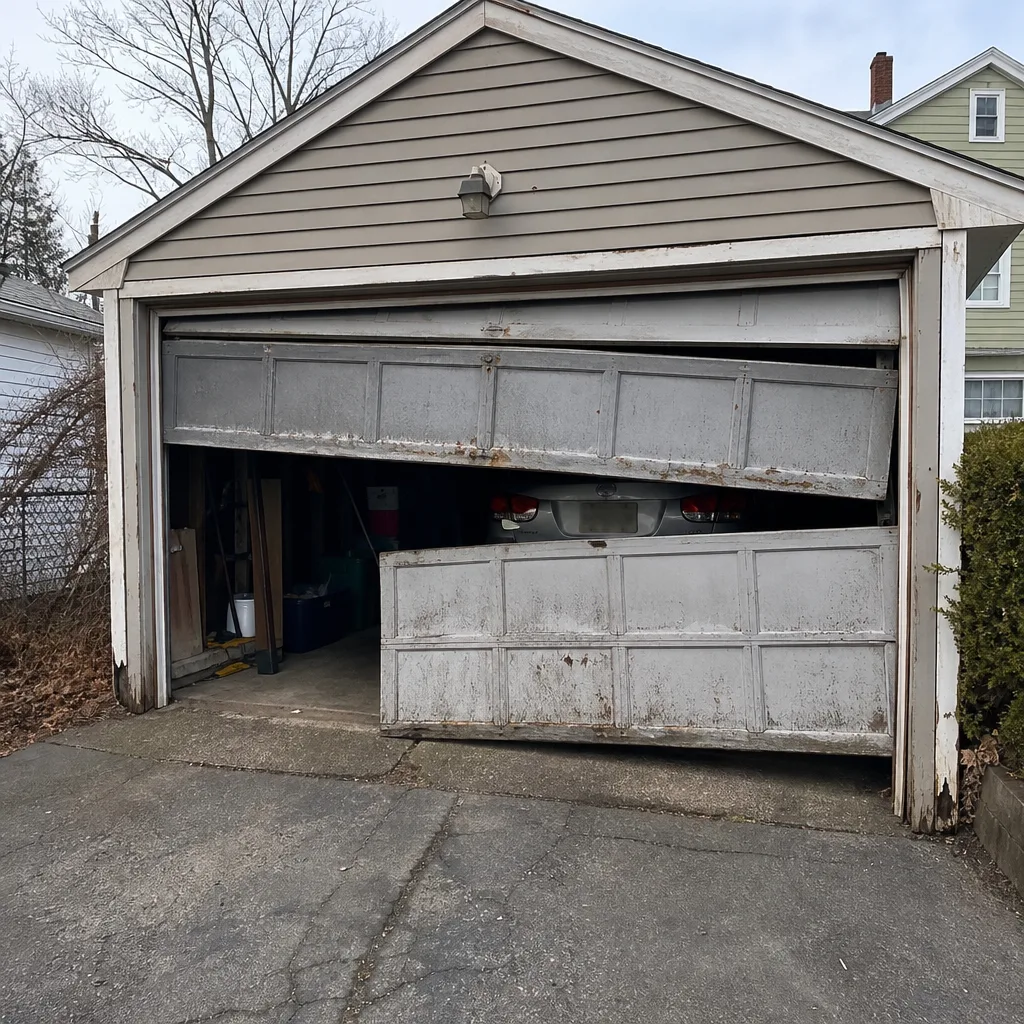 Before
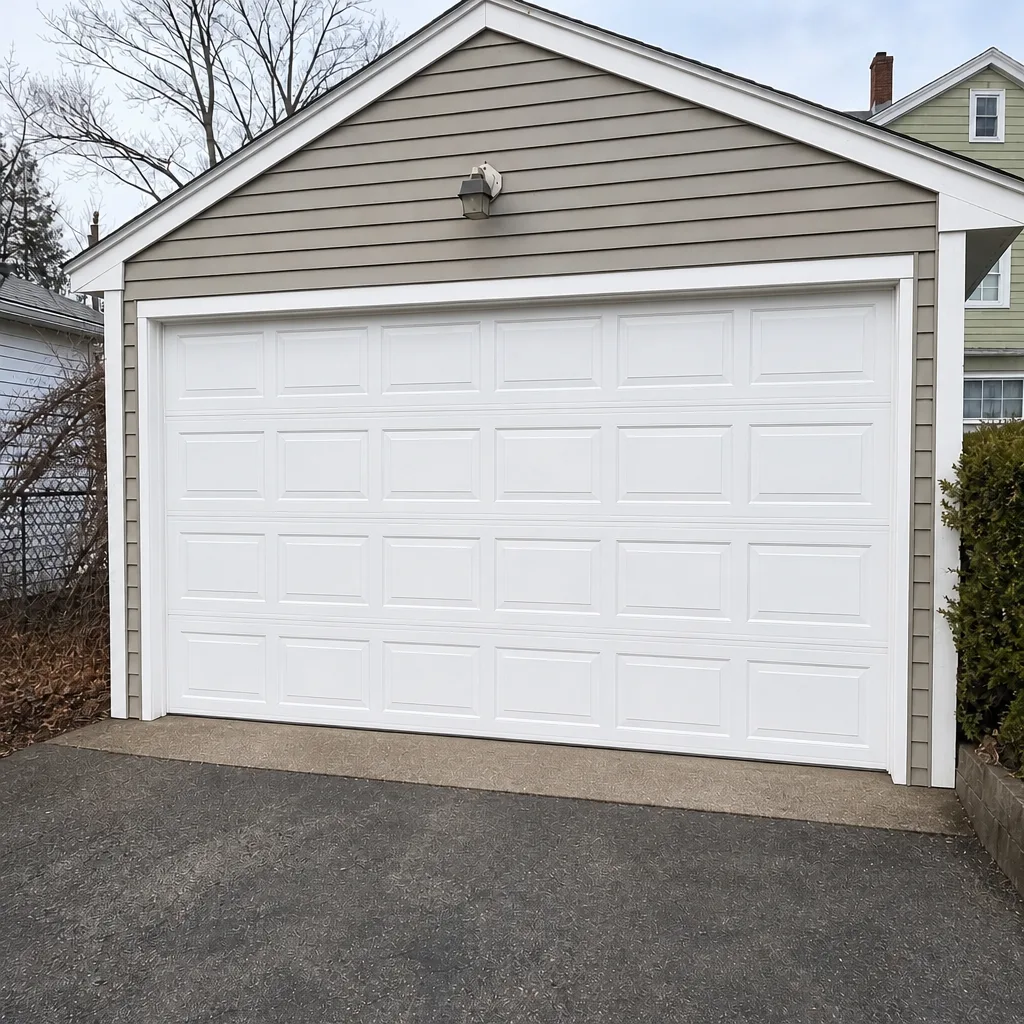 After
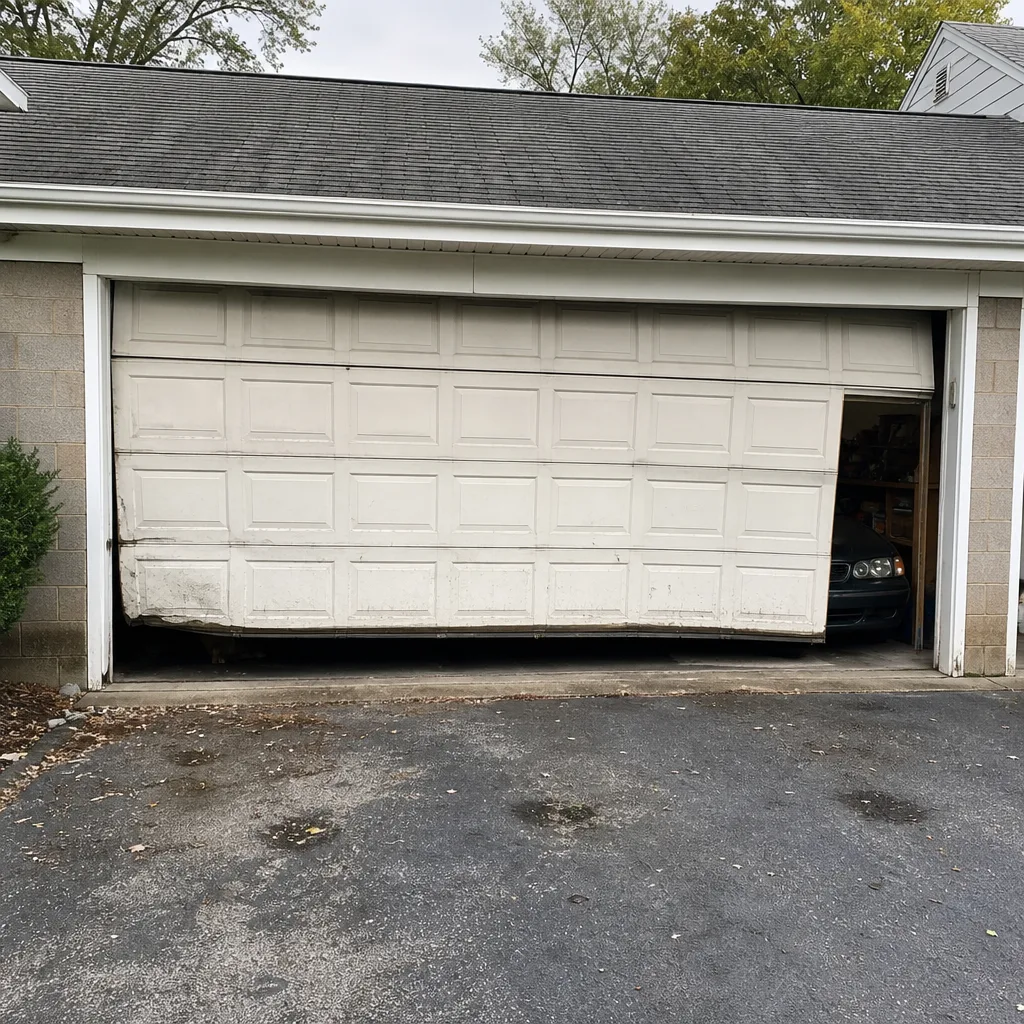 Before
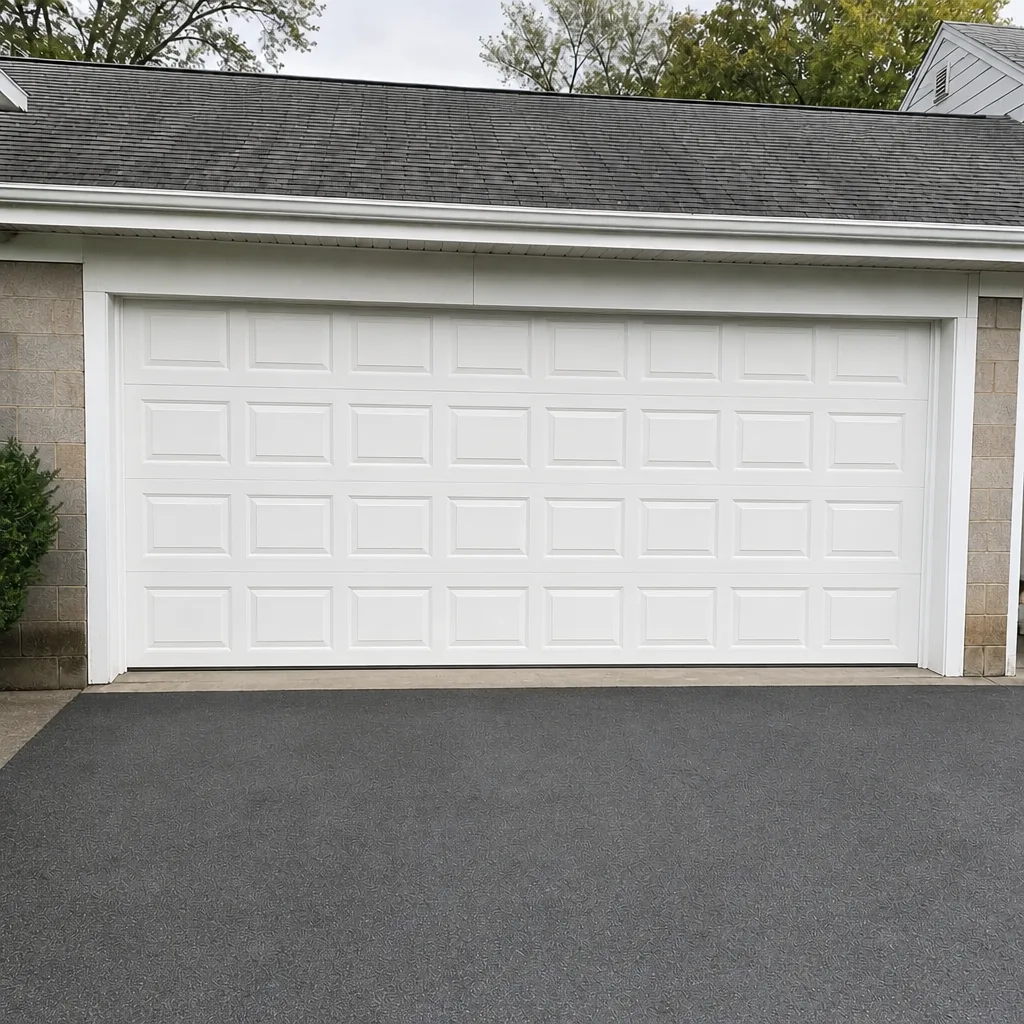 After
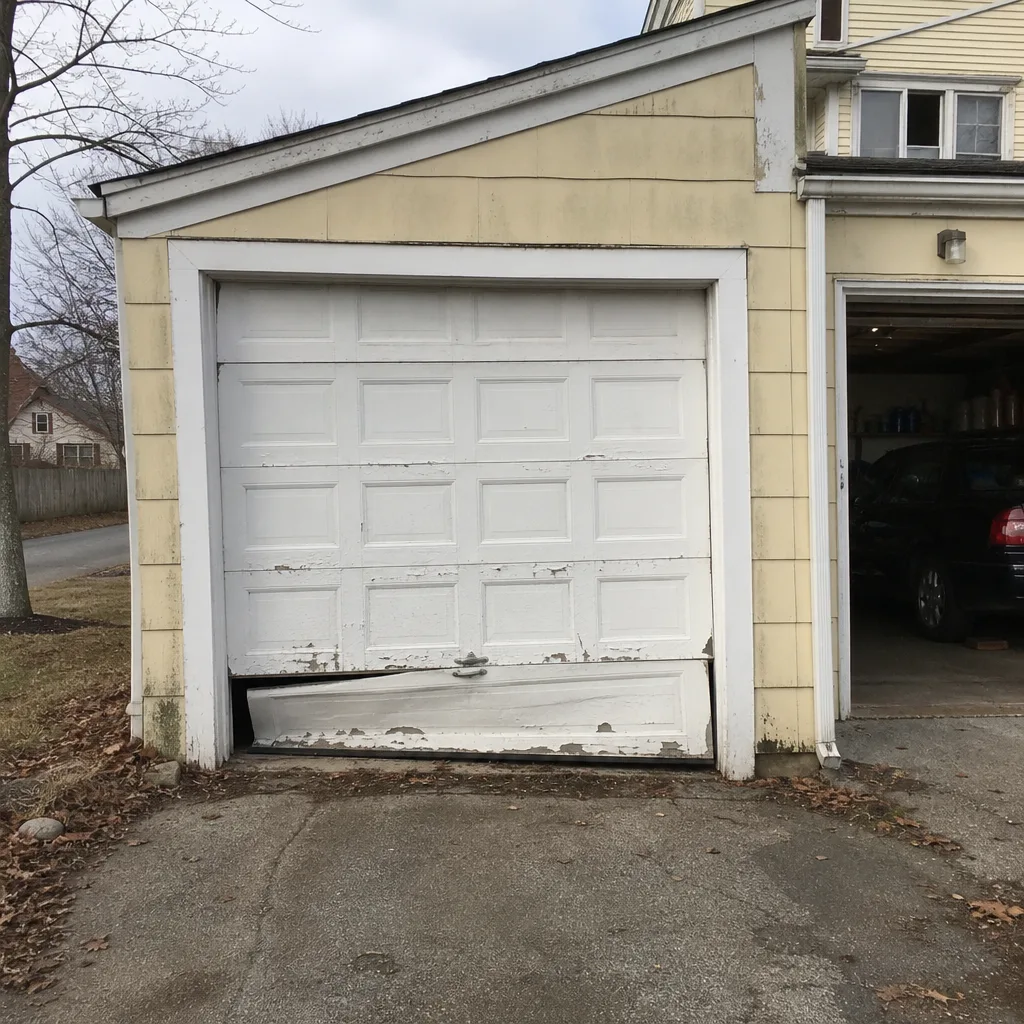 Before
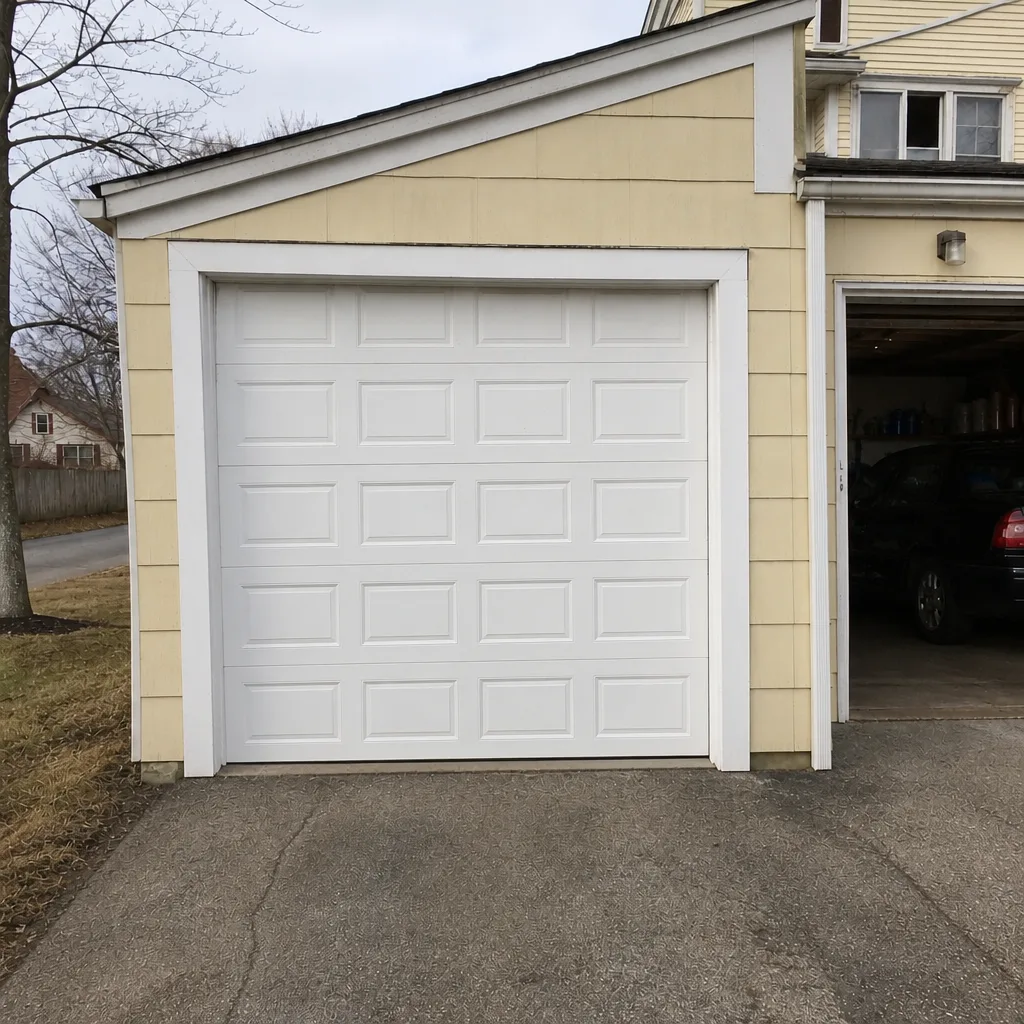 After
When to Call a Professional
Some maintenance is a homeowner’s job and some isn’t. Call a professional if the door won’t balance, a spring looks broken or has snapped, the track is bent or out of plumb, the door has come off the track, or the opener won’t close the door safely. Call immediately if a door is hanging open and the house isn’t secure: emergency service is available for exactly that situation. Call also if you’re not sure; a check is cheaper than a guess. Garage Door Repair Springfield Pros offers free estimates in Springfield, and our technicians have up to 12 years of experience on the door and the opener together. Call (866) 412-1607 and we’ll schedule a visit.
Frequently Asked Questions
Twice a year: once before the first hard freeze in late fall and once after the thaw in March. The freeze-thaw cycle is what wears parts fastest here, so the schedule follows the seasons rather than the calendar year.
You can spray a light silicone near the spring with the door fully closed, from a safe distance, without touching it. Adjusting, unwinding, or replacing the spring itself is a job for a trained technician because of the tension involved. If the spring is broken or the door won’t balance, stop using the door and call for service.
A routine maintenance check typically runs in the low to mid hundreds of dollars, and a spring replacement is usually more. The written estimate sets the final price, and you’ll know it before any work starts. Call (866) 412-1607 for a free estimate.
Torsion springs mount above the door and twist to lift it. Extension springs run alongside the tracks and stretch. Torsion systems are more common on newer doors and are considered safer to operate, but both need the same visual checks and the same professional service when they fail.
Yes. Test the safety reversal and the safety eyes before the first freeze. Check that the force and travel limits are set correctly, and confirm the battery backup is charged if your opener has one. A door that ran fine in warm weather can bind in the cold, so a cold-weather opener check is worth the ten minutes.
We’re certified to work on LiftMaster, Chamberlain, Genie, Clopay, Amarr, Wayne Dalton, Craftsman, and Raynor products, which covers most doors and openers in Springfield. Call (866) 412-1607 and tell us the brand and model; if it’s on that list, we’ll take care of it in one visit.
The Bottom Line
Maintenance is about order and timing. Inspect the rollers first, then the brackets and track, then the hinges and panels, then the opener, so you fix the root cause before it takes the rest of the system with it. In Springfield, do it before the first hard freeze and again after the thaw in March. Lubricate with the right product, keep a simple maintenance log, and never touch a spring beyond looking at it. That routine is how a small parts job stays small. If you’d rather hand it to a specialist who knows your brand, our garage door repair team handles the door, the opener, the springs, and emergency calls. Call (866) 412-1607 for a free estimate.
Written by the team at Garage Door Repair Springfield Pros.